San Francisco is a bustling city full of creativity and innovation in industries like software and IT, fintech, and life sciences. New ideas constantly revolutionize these industries, enabling individuals and companies to establish essential market advantages. When you have created the newest revolutionary idea, you need to protect it from competitors. A San Francisco, CA utility patent attorney can safeguard it successfully.
When you have a bold idea, you need Bold Patents to support you in protecting your intellectual property. Utility patent cases can be complex because there are so many utility patent applications, and the industries that make up San Francisco’s economic landscape are technically complex. With the support and resources of a San Francisco, CA Utility Patent Attorney, you can benefit from our decades of patent, intellectual property, and trademark law experience. We can improve your chances of success with your invention.
It’s important to understand the main sectors of San Francisco, as the primary industries are where innovation happens. Being aware of this innovation and the recent developments helps you adapt your innovations and create valuable inventions. The main industries and sectors in San Francisco include:
The Bay Area remained the top venture capital market in 2023, providing nearly $28.6 billion in funding. San Francisco’s business climate and new innovators in those sectors are propelled by many elements in the city, such as:
Utility patents apply to the function of an invention. To qualify for a utility patent, your invention must:
If you are successful in getting patent protection, you can prevent individuals and companies in the U.S. states and territories from taking certain actions with your invention. These include:
These patents are filed with the U.S. Patent and Trademark Office (USPTO). Utility patent cases also have the option of a provisional patent, which creates an earlier filing date without requiring a complete patent application. This can speed up the process, which is useful, considering how long the patent examination process can be.
It’s important to know the many resources in San Francisco that can help you develop and safeguard your innovation:
Navigating these local resources is much easier with a skilled San Francisco utility patent lawyer. A local utility patent attorney can assess which of these and other resources are most helpful for your project.
It’s important to get targeted patent guidance for your specific industry. Find your industry below to discover specialized patent requirements, strategic approaches, and how our attorneys can transform your ideas into protected intellectual property and assets.
Three of the requirements for a utility patent are that it is:
These requirements apply to any type of patent. Utility patents only apply to inventions of a new process, machine, object of manufacture, or way to compose matter. When you create an invention, a patent attorney can assess the ideal type of patent protection under utility patent laws.
Utility patents last up to 20 years. You must also pay regular maintenance fees for utility patents to get this full protection. Otherwise, the patent may expire early. Maintenance fees are required at 3.5, 7.5, and 11.5 years. Within six months after this deadline has passed, you can pay greater maintenance fees to continue to maintain the patent. When you hire a utility patent attorney, they can assess the ideal method of intellectual property protection.
The success rate of utility patent cases varies. In 2020, the USPTO reported that there were 352,049 utility patent grants and 597,175 utility patent applications. This gives a success rate of nearly 59%, but it is important to understand that not all these applications were assessed and given a response that same year.
The USPTO grants utility patents to inventions that meet the qualifications. Making sure your invention qualifies and documenting it clearly can be crucial for a successful case.
The time it takes, on average, for a patent to be approved or denied is 26.3 months, according to the USPTO as of September 2025, which doesn’t include cases where there is a request for continued examination (RCE). For applications where there was at least one RCE, the average time increased to 41.1 months. Utility patents may take longer than other patents because of the much larger volume of applications.
When you’ve made something innovative in San Francisco, contact Bold Patents to protect it.
Industry: Consumer Products / Apparel & Wearables
Location: San Francisco, CA area
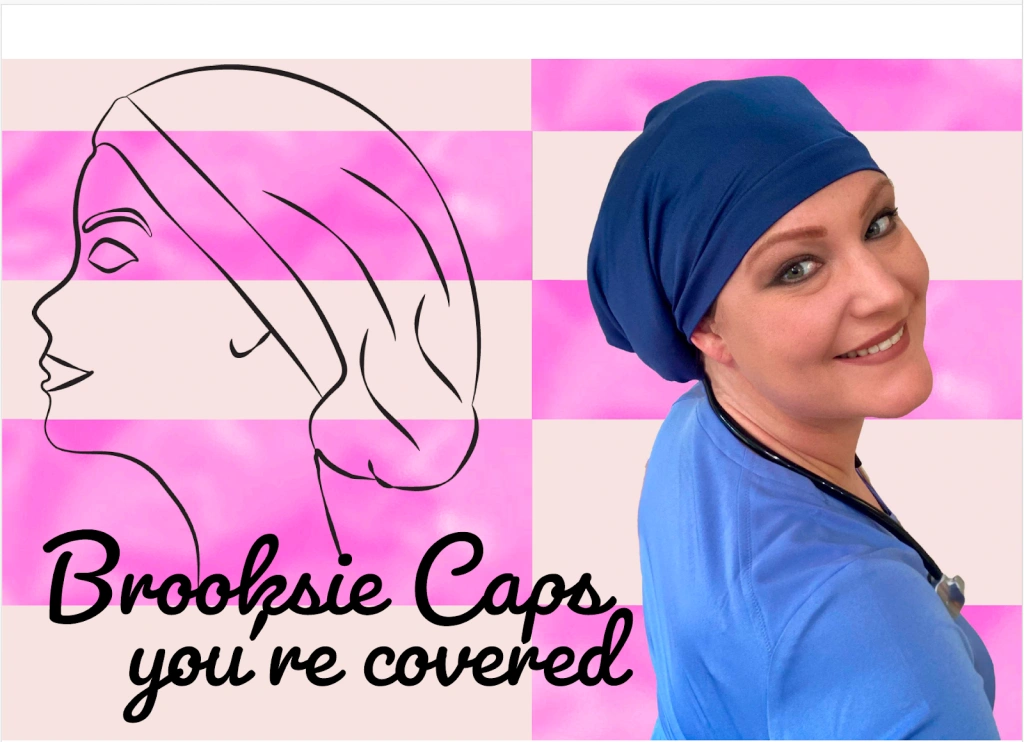
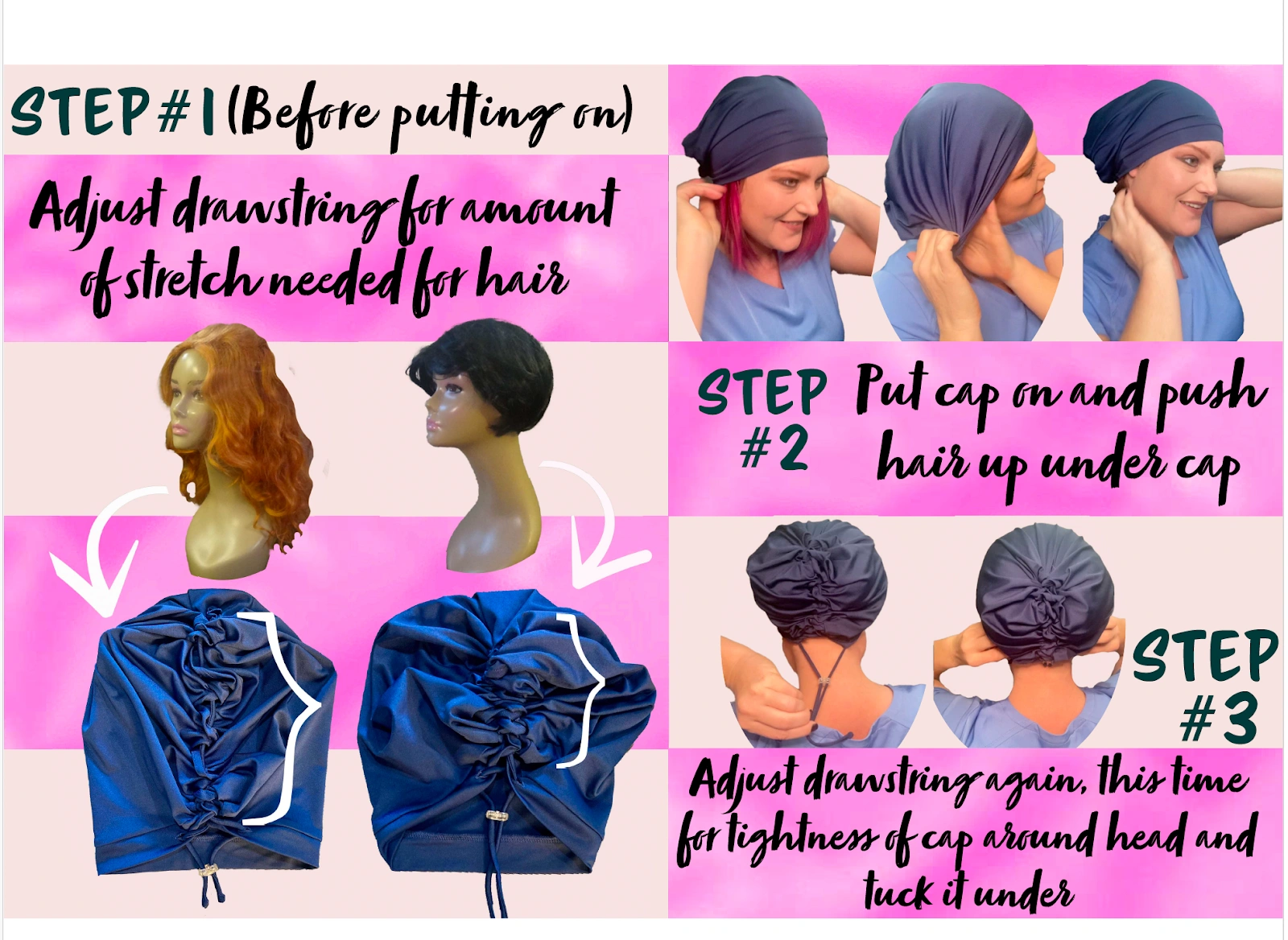
At Bold Patents, we’re proud to spotlight Kylie Little of the San Francisco area, the inventor behind U.S. Patent No. 11,412,802 B2, titled Scrunch Cap. Kylie’s invention brings a fresh and functional twist to everyday headwear—combining comfort, portability, and modern style in a way that reflects real-world wearability.
Traditional caps are often rigid, fixed in shape, and not always compatible with different hairstyles or daily movement. Kylie’s patented scrunch cap introduces a more adaptable approach, offering a design that can gather and conform naturally to the wearer. The result is a cap that is easier to wear, easier to pack, and better suited for active lifestyles—whether commuting, traveling, or simply looking for headwear that feels more personal and comfortable.
Kylie developed the product under the name Brooksie Caps, and her inventor journey reflects the realities many creators face when moving from prototype to production. She took meaningful steps toward commercialization, including having an initial run of caps manufactured overseas and launching a Shopify storefront. But in a decision rooted in quality and integrity, Kylie realized the materials used in mass production did not meet the standard she wanted associated with her name. Rather than compromise, she chose to pause the business, taking down the website and stepping back from large-scale sales.
Despite these challenges, Kylie’s pride in the invention has never faded. Since the scrunch cap’s inception, she has continued making caps by hand and sharing them with friends and coworkers who love the design. She also pursued licensing opportunities, sending product samples and invitations for talks to major fashion companies—an ambitious step that reflects both confidence in the product and a willingness to explore larger partnerships.
While commercialization has been placed on the back burner due to limited time and financial reserves, Kylie’s story is one of resilience and conviction. As she notes, she wears a scrunch cap every day and has yet to see anything on the market that truly compares. That kind of enduring belief—backed by an issued patent—often marks the beginning of future opportunity, even if the timeline is longer than expected.
Bold Patents attorney Houda El-Jarrah worked closely with Kylie to secure strong patent protection for the scrunch cap, ensuring the invention’s unique functional elements were thoroughly captured and defensibly protected.
Congratulations to Kylie Little, whose San Francisco-based innovation demonstrates that invention isn’t always about immediate scale—it’s about creativity, perseverance, and protecting bold ideas that may shape the market in the years ahead.
Principal Patent Attorney, Bold Patents
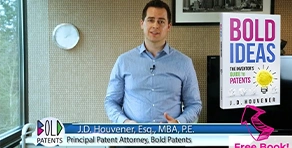




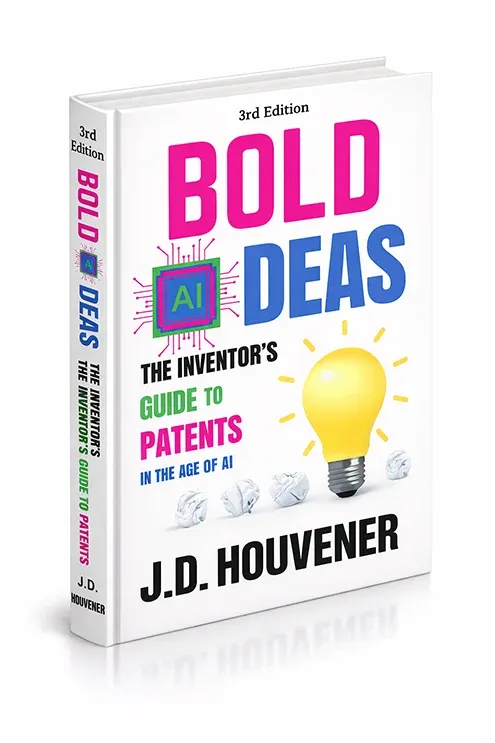
Written by Patent Attorney J.D. Houvener, this updated edition provides inventors, entrepreneurs, and startups with practical guidance for protecting ideas, avoiding costly mistakes, and navigating the patent process with confidence.
Whether you’re exploring a new invention, building a startup, or preparing to file a patent application, our team is here to help you move forward with confidence. Get personalized guidance from experienced patent professionals who understand the challenges inventors face.




We are a full-service patent and trademark prosecution firm. We help inventors and entrepreneurs research, protect, and monetize their intellectual property in the marketplace.
Schedule a Discovery Call 601-298-8425
Copyright © 2026 - Bold Patents• All Rights Reserved. Digital Marketing By: