In the rapidly evolving landscape of the healthcare industry, patents serve as crucial safeguards for innovation. They foster growth by protecting intellectual property, thereby encouraging the development of breakthrough medical devices and non-device healthcare solutions. Understanding medical device and non-device healthcare patents is critical to fully leverage these protective mechanisms.
Medical device patents encompass a broad spectrum of inventions that are intended to diagnose, treat, or prevent various health conditions. They can cover everything from simple tools like bandages to complex machinery like MRI machines. The primary goal of these patents is to shield inventors from having their unique ideas duplicated without permission, thus providing a safety net for the substantial investment often required in medical device development.
A renowned case of a successful medical device patent is the invention of the coronary stent by Dr. Julio Palmaz. His revolutionary design in the 1980s transformed cardiac care by enabling minimally invasive treatment of coronary artery disease. The Palmaz stent patent was notably enforced against multiple parties, validating the strength of its claims and underscoring the importance of a well-crafted patent in protecting and rewarding medical device innovation. Dr. Palmaz’s patented invention has saved countless lives and continues to inform the design of modern stents, highlighting the long-lasting impact of a successful medical device patent.
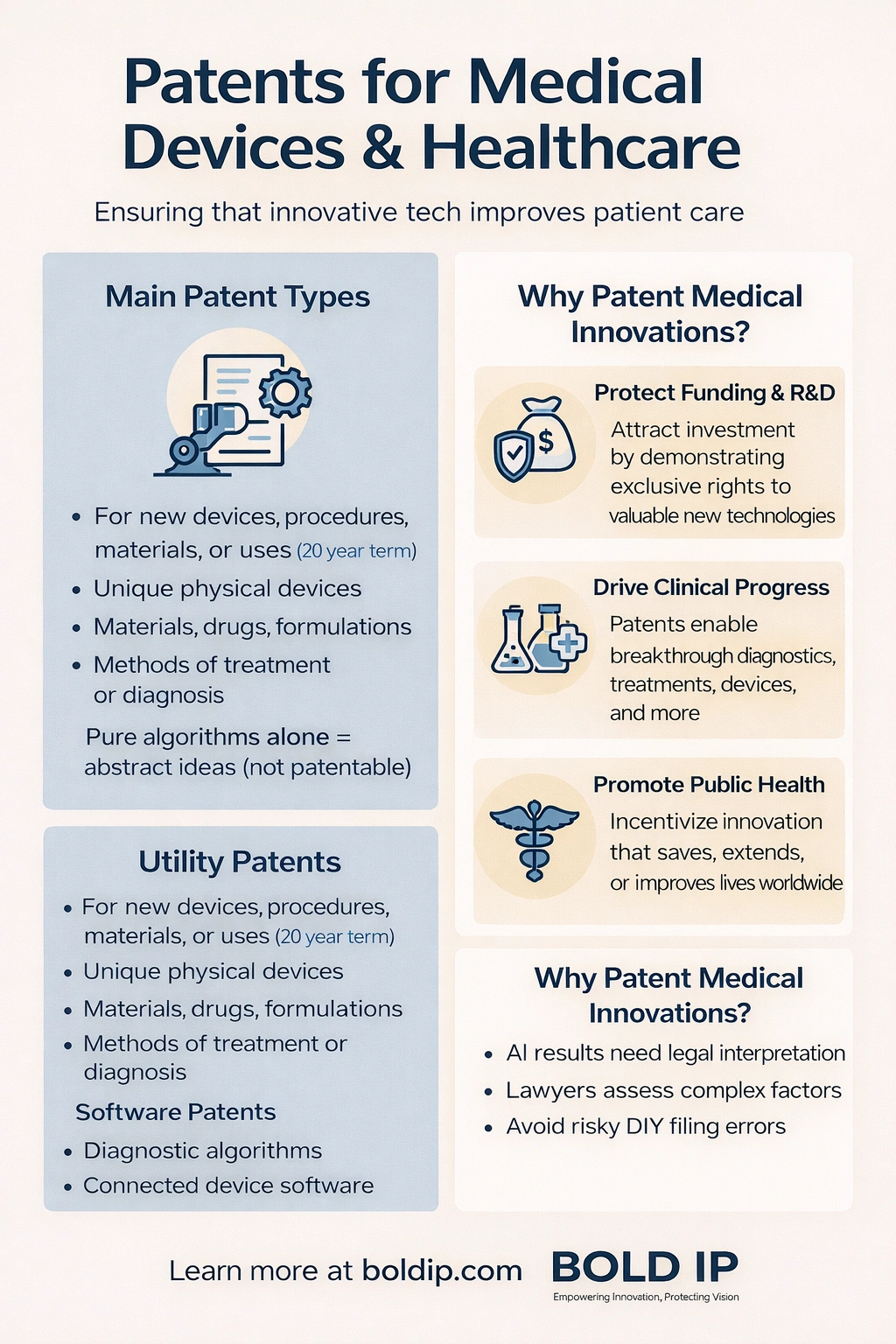
Obtaining patents for medical devices gives you a competitive advantage in the growing health and medical landscape. Patents allow you to profit from your innovative medical device or product. Navigating the world of medical device andNavigating the world of medical device and drug patents can be challenging without an attorney. drug patents can be challenging without an attorney. It’s crucial to understand which patents cover your product(s) and the application process to obtain those patents.

The most common patent issued, the utility patent is also known as a non-provisional patent and focuses on how the device works. It covers new and unique products, processes, machines, and technology.
Learn More
Allows your idea or product to be held in line while you prepare to file for a utility patent. With a provisional medical device patent, you have a year to begin the patent application process. After a year, the provisional patent will change to a non-provisional one.
Learn More
A design patent protects the exterior design and look of your medical device from being used or copied. Some inventions may actually only require a design patent. A design patent covers original, new, or ornamental medical device design. This can include the shape of a device, general feature appearances, user interface, and the design of the touchscreen.
Learn More
Though a plant patent is not as common for medical devices, the need is growing as more inventors use plant-based materials to design and develop sustainable medical products. These patents are for any novel, non-obvious, asexually reproducible plant and are typically used by research scientists and agricultural experts.
Learn MoreSecuring a medical device patent is a rigorous and meticulous process, given the critical nature of these inventions and their direct impact on human health. This process begins with a patent search to ensure that the device in question is indeed a novel invention. Once this is confirmed, a detailed patent application must be crafted and submitted to the patent office. The application must clearly and concisely detail the device’s unique features, how it works, and how it differs from existing technologies.
Navigating the legal landscape of medical device patents can pose significant challenges, especially considering the stringent regulatory environment of the healthcare industry. Issues such as determining patentability, dealing with infringement cases, and addressing international patent rights often require professional legal guidance. This makes the role of patent attorneys critical in not just securing patents, but also in ensuring their robustness against potential legal disputes.
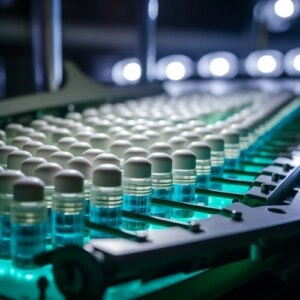
Non-device healthcare patents are another crucial component of intellectual property protection in the health sector. These patents typically cover biomedical innovations that are not physical devices, but are nonetheless instrumental in advancing healthcare. Examples include:
Just like medical device patents, non-device healthcare patents serve to protect the interests of innovators, promoting further advancements in the field.
A notable example of a non-device healthcare patent is the patent for the ground-breaking CRISPR-Cas9 gene-editing technology. This revolutionary method, developed by Dr. Jennifer Doudna and Dr. Emmanuelle Charpentier, allows for precise editing of genetic material and has tremendous implications for treating genetic diseases. Dr. Feng Zheng made some modifications to the gene-editing CRISPR system and a few months after the Doudna and Charpentier patent application was filed, he also filed an application.
Over the last ten years, there have been extensive legal battles over who rightfully owns the patent for CRISPR technology. These patent disputes underline the high stakes involved in non-device healthcare patents. Despite the legal battles, the secured patents have provided a foundation for further development and application of the CRISPR-Cas9 system and demonstrate how non-device healthcare patents can be instrumental in fostering advanced biomedical research.
The process of obtaining a non-device healthcare patent also begins with ensuring the novelty of the innovation. This step is followed by a detailed patent application that outlines the uniqueness and functionality of the healthcare innovation in question. The complexities associated with non-device patents can sometimes be greater than those of device patents. For instance, it can be challenging to define the scope of these patents due to the abstract nature of some innovations, such as new healthcare processes or systems.
Despite these challenges, the importance of non-device healthcare patents cannot be overstated. They protect and encourage innovation in areas such as pharmaceutical research, genetic engineering, and healthcare delivery methods. As in the case of medical device patents, navigating the intricacies of non-device healthcare patents often necessitates the expertise of a skilled patent attorney who can provide the necessary legal assistance to address potential hurdles and ensure the strongest possible protection for the innovator’s intellectual property.
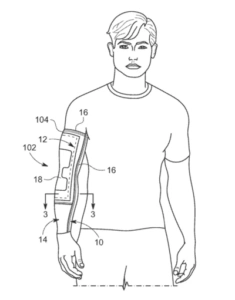
Bold Patents has worked with many inventors to successfully obtain medical device patents. Here are just a few of them:
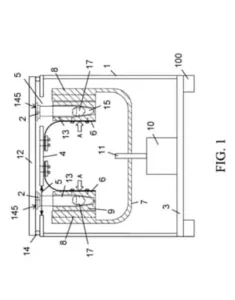
Patent: US20170159000A1
View Patent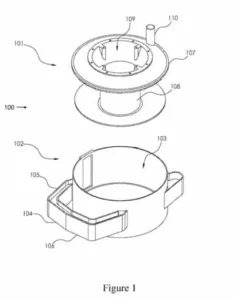
Patent: US10888682B2
View Patent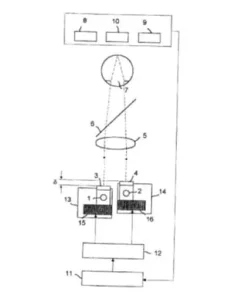
Patent: US20100007850
View Patent
The realm of healthcare patents, whether they pertain to medical devices or non-device innovations, is a complex and intricate field. These patents play a pivotal role in propelling the healthcare industry forward, protecting the interests of inventors, and encouraging the continual pursuit of life-saving and life-enhancing solutions. With the rapid pace of technological advancement, obtaining these types of patents is more important than ever to safeguard these developments and maintain a competitive and innovative healthcare landscape.
From guiding innovators through the patent application process to ensuring the comprehensive protection of their intellectual property, an experienced patent attorney can be instrumental in navigating the legal intricacies of the patent world. A Bold Patents attorney can provide the necessary expertise to identify potential legal hurdles, develop robust patent applications, and manage potential disputes. Contact us today to learn more about how we can help you capitalize on your dental or healthcare innovation.
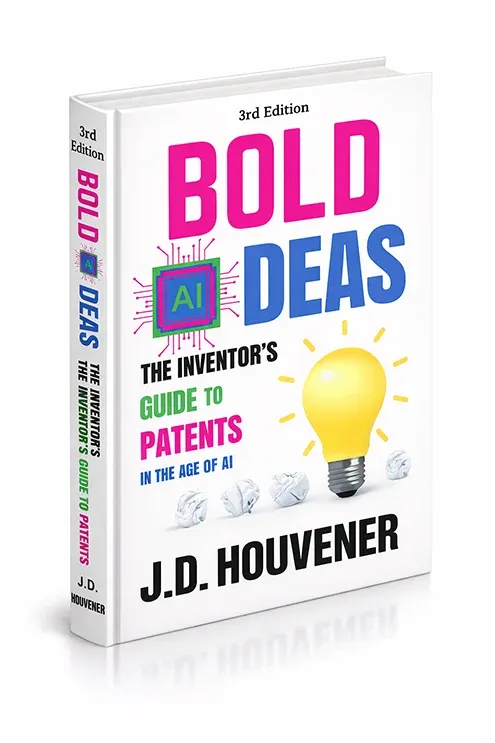
Written by Patent Attorney J.D. Houvener, this updated edition provides inventors, entrepreneurs, and startups with practical guidance for protecting ideas, avoiding costly mistakes, and navigating the patent process with confidence.
Whether you’re exploring a new invention, building a startup, or preparing to file a patent application, our team is here to help you move forward with confidence. Get personalized guidance from experienced patent professionals who understand the challenges inventors face.




We are a full-service patent and trademark prosecution firm. We help inventors and entrepreneurs research, protect, and monetize their intellectual property in the marketplace.
Schedule a Discovery Call 601-298-8425
Copyright © 2026 - Bold Patents• All Rights Reserved. Digital Marketing By: