The seaside city of Charleston is home to more than 100,000 people, but the surrounding metropolitan area is home to nearly 800,000! Our patent attorneys aid small business owners and new entrepreneurs throughout Charleston and the surrounding areas. We serve individuals and businesses in Mount Pleasant, James Island, Summerville, Hanahan, Goose Creek, and more.
At Bold Patents, we can help with:
Charleston is located right on the coast of the Atlantic Ocean, and was once a major port for ocean trade. In modern times, it’s home to many cultural celebrations and music festivals. Add in a bustling downtown and plenty of museums, and Charleston is a great place for Bold Patents to be! We are proud to help independent inventors bring their creations to market and empower entrepreneurs to support their businesses with their inventions.
While it may not seem like it, intellectual property law is vital for success in any industry. An invention can provide a competitive edge in any field, and patenting that invention can help you maintain that advantage for years. That’s why the IP experts at Bold Patents analyze each industry’s particular needs and cater their services to what would work best!
Intellectual property law is often changing, and it could be nearly impossible for someone who doesn’t know much about it to get confused. Don’t get lost in the shuffle! Let Bold Patents cut through the messy legalese of IP law and get you moving in the right direction. We can talk through your questions and concerns and help you take the right steps to benefit your financial future.
We’re ready to help, but you have to call us first! So give us a ring and see how we can assist with all of your patent needs. When you create bold inventions, you need bold solutions.
Intellectual property law allows individuals and inventors to protect their ideas through trademarks, copyrights, trade secrets, and patents. The U.S. Patent and Trademark Office (USPTO) manages patents and trademarks. A patent can give an inventor control over what they created, enabling them to prevent other parties from doing the following with the invention:
A patent only gives an inventor the right to prevent others from engaging in these actions. To enforce those rights, a patent holder must take action against any party infringing on their patent rights. Patents and patent infringement cases can be pursued by anyone, including independent inventors and small business entrepreneurs.
There are three types of patents: utility, design, and plant patents. Each type of patent has its own definition. However, there are some requirements that each form of patent must meet, at a minimum. These include being:
The definition of each unique type of patent is:
For inventors to receive the full patent benefits, they must continue maintaining their patents. Failing to provide the maintenance fees on time will result in the expiration of the patent. Generally, patents reach the end of their term and expire. There are rare cases where extended protections can apply to an invention, or the current protections can be adjusted. Your attorney can determine if those apply to you.
How long it takes to get a patent relies on numerous factors, including the complexity of your invention and application. A complicated invention that requires significant time to document and review can take much longer, from beginning the application to receiving a response. The type of patent also impacts the timeline. If there are errors or missing information in your application, this can further delay the process.
An attorney can give you a more personalized estimate of how long the application and USPTO examination process will take for your specific invention. An attorney is also likely to make the process faster by avoiding errors and addressing any USPTO issues quickly.
There are many steps in the process of applying for, getting, and maintaining a patent. Patents are managed through the USPTO, so the process is similar throughout the U.S. There are varying steps, although you should consider some of the following throughout the application process:
As you prepare to apply for your patent, determine if a patent is the right form of intellectual property protection for your invention. Trademarking and copyrighting are other types of protection which may serve your business goals differently. If a patent is the kind of protection you need for your invention, review the definition of what a patent is and isn’t to determine if your invention qualifies.
Another step in determining if your invention is patentable is conducting a patent search. A patent search can see if your invention has already been patented or if patenting it would infringe in other ways on an existing patent. You should also conduct other searches, such as an art search, to determine if the invention has already been publicly disclosed. While it is possible to conduct these searches yourself, it is much easier with the skill and resources of attorneys and other professionals.
Before you prepare an application, you should determine which patent you are applying for. Each kind has unique requirements for what to include in an application, depending on the type of patent. There are situations where your invention may fit the definition of more than one type of patent. In that case, you should consider the components of an invention that are protected by each and which ones are most important. In some scenarios, you could apply for both a design and a utility patent.
Your application needs to include specific information about your invention and provide some level of documentation. This may include a description of its use or appearance, a rendering or prototype, article specifications, and other documentation.
Gather the forms, documentation, specifications, and other contents that are required in your patent application. The USPTO has several resources to help individuals with this process, and a patent attorney can handle the process for you.
Patent applications are filed online. When you submit the application, you also submit the relevant filing fee. This fee varies based on the type of patent, and it can be reduced if you have a filing status as a small entity or a micro entity.
Once you have submitted the application, it’s important to stay up to date on its status. If there is missing information or the application is incomplete, the USPTO will contact you to let you know. It’s important to react quickly to respond with the missing information, or your application could be abandoned. The examination process will resume when you have responded in a timely manner with the appropriate information.
How much a patent lawyer costs can differ, largely based on the specific attorney and the type of service you are requesting. A more experienced attorney who has years of successfully dealing with the USPTO is likely to have higher rates. Though no one can guarantee any outcome, a skilled attorney can be better equipped to help you succeed. Always review their qualifications and past work prior to hiring them.
The type of legal work that an attorney is completing will also affect their costs. If they are simply reviewing an application draft, they may charge a flat fee for this one-time service. However, if an attorney is drafting, reviewing, submitting, and tracking the application, this is a longer case. It may be charged hourly. Continual representation with the USPTO or legal proceedings to defend a patent is likely to be charged hourly.
If a case is expected to be more complex, use more resources, or go to trial, an attorney will likely charge a higher rate.
Before you hire an attorney, always discuss costs with them upfront. An attorney should be straightforward with you about how they charge, and you should make sure that you can afford their services for the duration of your case.
How much a patent costs will depend on the type of patent you are applying for. Applying will result in a filing fee, a patent search fee, and an examination fee. If you are granted the patent, you must also pay the issuance fee. Other fees and surcharges may apply for errors or excessive application sizes.
The cost of these USPTO fees varies based on the type of patent and the size entity status you apply for. The basic filing fees range from $63 to $320 for utility patents and $44 to $220 for plant and design patents. Conducting a patent search can range from $32 to $160 for design patents and $140 to $700 for utility patents. Examination fees range from $128 to $800. Issue fees range from $148 to $840 for design and plant patents, and they are between $240 and $1,200 for utility patents.
There are many other fees that can affect you. Although it can seem extra costly to work with an attorney, they could save you the cost of certain fees by helping you avoid errors and delays. They can also determine if you qualify for a unique filing status.
It’s important to get targeted patent guidance for your specific industry. Find your industry below to discover specialized patent requirements, strategic approaches, and how our attorneys can transform your ideas into protected intellectual property and assets.
History runs deep in the streets of Charleston, but so does innovation!
Charleston has seen a boom in information technology in the past decade, and the economy has followed suit. There’s never been a better time for a great new idea to take the area by storm!
And we at Bold Patents want to make that happen! Let us take the lead and protect your innovations from the competition. You could have been in Charleston from the very beginning, or you could be a newcomer just looking to make your mark. Either way, the IP experts on our staff would love to push your idea forward!
Connect with us today, and let us show you what Bold Patents can do to fulfill all of your patent needs!
Founder: Lillie and Ryan Veith City/State: Summerville, South Carolina Industry: Apparel / Fashion Industry
Lillie and Ryan Veith, founders of Cotton-Tea®, are building a distinctive apparel and lifestyle brand rooted in Summerville, South Carolina. Drawing inspiration from the region’s deep tea culture and relaxed Lowcountry lifestyle, the brand focuses on ultra-soft apparel designed for everyday comfort with a coastal, easygoing identity. From the beginning, their vision has been simple but intentional, creating clothing that feels as good as it looks while carrying a brand story tied to Southern living.
As the brand developed, protecting the COTTON-TEA® name became a strategic step in supporting long-term growth. The founders pursued federal trademark protection through filings including U.S. Trademark Application Serial No. 90619520 and U.S. Trademark Application Serial No. 90619524, helping establish priority over the brand identity as they expanded. These filings reflect an important stage in the company’s evolution, moving from early concept and product testing into a more structured brand ready for scaling, partnerships, and broader market visibility. View the filing records through the official public record system via the available USPTO/Justia documentation.
Cotton-Tea continues to build momentum as a direct-to-consumer apparel brand, emphasizing softness, simplicity, and a lifestyle-oriented aesthetic that resonates with customers looking for comfort-driven everyday wear. The company has steadily grown its audience through consistent branding and a clear identity, supported by digital presence and community engagement. You can explore more about the brand’s products and story on their official website at cotton-tea.com or follow their business updates on LinkedIn.
Behind the scenes, securing intellectual property protection has helped position Cotton-Tea® for more confident expansion as the brand continues to evolve. The trademark strategy and filings were supported with guidance from patent and trademark attorney Matt Kulseth of Bold Patents, helping ensure the foundation of the brand is protected as it grows into new markets and opportunities.




Our clients are investors, entrepreneurs, and scientists that are pushing the limits, doing what hasn’t been done before, and taking risks in the spirit of progress and positive change.
We now serve clients nationwide to enable visionaries with top-quality patents, to dominate the competition in the market!
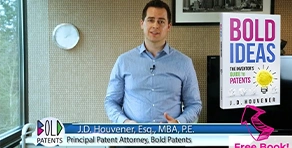
Principal Patent Attorney, Bold Patents






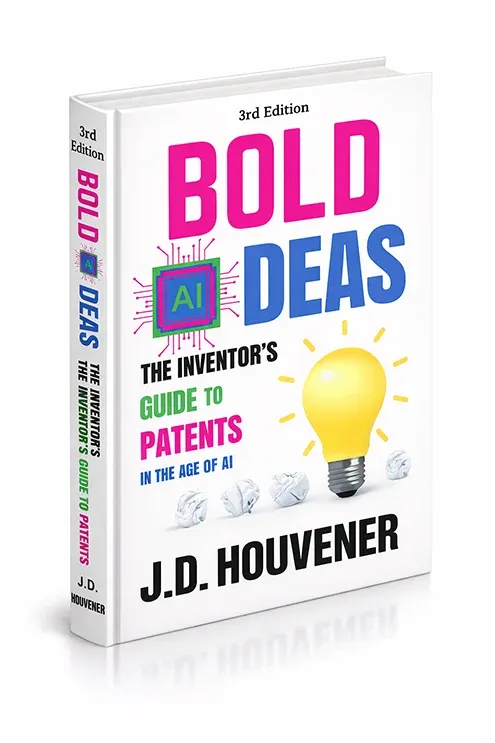
Written by Patent Attorney J.D. Houvener, this updated edition provides inventors, entrepreneurs, and startups with practical guidance for protecting ideas, avoiding costly mistakes, and navigating the patent process with confidence.
Whether you’re exploring a new invention, building a startup, or preparing to file a patent application, our team is here to help you move forward with confidence. Get personalized guidance from experienced patent professionals who understand the challenges inventors face.







We are a full-service patent and trademark prosecution firm. We help inventors and entrepreneurs research, protect, and monetize their intellectual property in the marketplace.
Schedule a Discovery Call 601-298-8425
Copyright © 2026 - Bold Patents• All Rights Reserved. Digital Marketing By: