
Clean technology and green technology industries continue to grow, as does investment into these sectors. This technology is necessary to combat the effects of climate change and improve the sustainability of day-to-day life. Visionaries in this field can protect the things they have created to improve their financial future in the industry through intellectual property protection. A cleantech and green tech patent lawyer can help inventors protect their creations.
As the need for this technology increases, so does the likelihood of it being misused by corporations. Independent inventors and entrepreneurs who create groundbreaking inventions have to take steps to safeguard the creation and protect it from competitors, allowing them to engage in fair licensing and sale discussions without risking their invention’s integrity.
Green tech and cleantech are broad terms for technology created to limit the environmental impact of existing systems and maintain sustainability. This includes renewable energy sources like wind, solar, and water power and related infrastructure; batteries, biofuels, and other energy-saving and storing technology; and technology to conserve existing resources.
The following represent the areas in which current trends, industry development, and advancements in sustainable technology are reducing environmental impact and reshaping the future:

Securing a patent in the cleantech or green tech industry is a vital step in protecting innovations that address environmental challenges, given the sector’s rapid growth and global impact. The process begins with a patent search to verify the novelty of a technology, such as a new solar panel design. A comprehensive patent application must then be filed, detailing the invention’s unique features, operation, and differences from prior art. Navigating the patent landscape in this field involves overcoming obstacles like proving environmental efficacy, avoiding infringement, and securing international rights in a competitive market. These complexities often require expert legal assistance. Patent attorneys are essential not only for obtaining patents but also for ensuring they are defensible against disputes, supporting the mission of sustainable innovation in this dynamic industry.

Utility patents. Utility patents protect functional innovations in cleantech, such as new processes or machines enhancing sustainability. For example, they cover a method boosting solar cell efficiency or a novel water purification system. These patents secure the technical core of green tech inventions, granting exclusive rights and requiring detailed explanations of their operation and novelty in this eco-focused industry.

Design patents. Design patents safeguard the ornamental appearance of cleantech products, like the unique aesthetic of a wind turbine blade or a solar panel frame. Protecting visual design rather than function, they help differentiate products in the green tech market, preventing imitation of distinctive looks that enhance brand recognition and appeal.

Provisional patents. Provisional patents provide a quick, cost-effective filing date for cleantech innovations, ideal for startups. Offering a year to refine technologies, they allow “patent pending” status, securing early protection while assessing market potential in this fast-moving sector.

Plant patents. Plant patents protect new plant varieties, such as those developed for biofuel or bioremediation in cleantech. While less common, they apply if a unique plant is bred for sustainability purposes. Unlike utility or design patents, they focus on asexual reproduction, not devices or processes.
Not all inventions will be patentable. In order to be patentable, a creation must fit one of the three types of patents: design patent, utility patent, and plant patent. Each type of patent has its own definition. For all three types of patents, your green tech and cleantech must meet the minimum requirements:
If you believe you have a patentable invention, an attorney can review the creation to determine what type of patent you should apply for and help you understand the rights it affords you.
Small business owners, start-ups, and independent inventors frequently deal with difficulties entering the market of cleantech and green tech and maintaining competitiveness against large corporations. Intellectual property protection gives individuals rights to their creations, which can help them take action against the misuse of their invention. It also gives them more leverage when securing investors for the invention and when discussing potential licensing agreements.
There are several potential IP protection options for green tech and cleantech, each with its own benefits and drawbacks. Depending on your invention, you could benefit from a copyright, trademark, or trade secret.
A patent is another form of IP protection. Patents can be gained through the U.S. Patent and Trademark Office (USPTO). If you obtain a patent for your invention, it gives you the right to prevent other parties from using, selling, making, or offering to sell your invention. It also allows you to prevent others from importing your invention to the U.S. These protections extend through the U.S. states and territories.
The rights of a patent are not automatic, and you do not have sole rights to your invention. Instead, it enables you to take legal action when these rights are infringed on by other parties. The support of a patent attorney helps you get the most protection from your patent and defend your rights from infringement.
Intellectual property protection for green tech and cleantech is crucial to supporting innovation and helping independent entrepreneurs and inventors benefit from their technology. At Bold Patents, we want to help visionaries like you protect your financial future and the sustainable future of the world.
We have years of experience in IP protection law and can review your invention to determine how to most effectively protect it based on your personal and business goals. If a patent is the right type of IP protection for the technology you have created, our team will help you conduct a patent search, conduct an art search, gather documentation, and apply for your patent.
There are possibilities for fast-tracking green tech and cleantech patents, and our team can help you navigate that process. These technological industries are complex, and it is essential that you work with an attorney who understands the industry and how that impacts patents. At Bold Patents Law Firm, we can provide opinions and legal support in the entire process of IP protection.

CarbonCure has developed a technology that injects captured carbon dioxide into concrete during mixing, where it mineralizes and becomes permanently embedded. This process not only reduces the carbon footprint of concrete production but also enhances its strength. CarbonCure holds over 120 patents related to this carbon mineralization technology.
View Patent
Chakr Innovation has created the Chakr Shield, a retrofit emission control device designed to capture up to 90% of particulate matter emissions from diesel generators. The captured pollutants are then repurposed into inks and paints, effectively reducing air pollution. The company has filed over 15 patents for its technologies.
View Patent
First Solar holds patents for Tunnel Oxide Passivated Contact (TOPCon) solar cell technology, which enhances the efficiency of solar cells by improving electron passivation and reducing recombination losses. These patents were acquired through the company’s 2013 acquisition of TetraSun.
View Patent
The UBD IBM Centre has developed a system for fine-grained demand management in smart grids, allowing for more efficient distribution and consumption of electricity. This technology is protected under U.S. Patent Application No. US20140114487.
View PatentEvery patent attorney will charge differently depending on factors such as their experience in the field, how complex the patent industry is, and the type of legal services for which you are hiring them. Getting legal support for a patent litigation case will likely be charged at an hourly rate and may take significant time, making it more expensive. If you are hiring an attorney to review a patent application or conduct a patent search, fees may be different.
A green technology patent is a type of intellectual property for inventions supporting a sustainable environment. This can include inventions for improving the quality of the environment, renewable energy sources, reduction of emissions and waste, and energy storage.
When these inventions meet the basic requirements of a patent, an inventor can file for that patent, giving them certain rights to the invention. This then allows the creation of licensing agreements and the use of the technology.
The main difference between cleantech and green tech is the scope and focus of their goals. Greentech is generally used to lower the environmental impact of energy use and other issues, focusing on creating sustainable options for long-term use. Cleantech focuses on solving existing technology to create better systems with less pollution output. Cleantech is more focused than green tech. Cleantech and green tech are intended to work together to improve environmental impact.
While a lawyer is not required to get a green tech and cleantech patent, working with a patent lawyer can help significantly, give you a better chance of securing a patent, and help you outline your rights more effectively.
This field of technology remains promising, both as an investment and as a basis for a sustainable future. Because of this, many innovations are entering many areas of intellectual property protection. An attorney remains up to date with these changes and helps you protect your creation.
When you need to protect your invention for a sustainable future, contact Bold Patents.
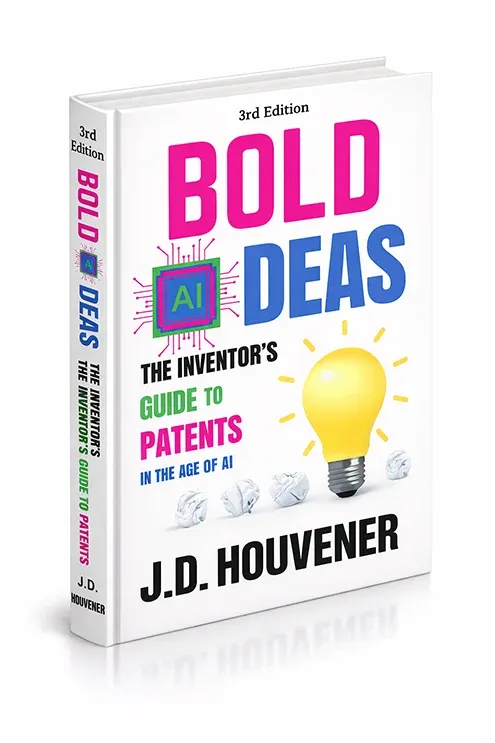
Written by Patent Attorney J.D. Houvener, this updated edition provides inventors, entrepreneurs, and startups with practical guidance for protecting ideas, avoiding costly mistakes, and navigating the patent process with confidence.
Whether you’re exploring a new invention, building a startup, or preparing to file a patent application, our team is here to help you move forward with confidence. Get personalized guidance from experienced patent professionals who understand the challenges inventors face.







We are a full-service patent and trademark prosecution firm. We help inventors and entrepreneurs research, protect, and monetize their intellectual property in the marketplace.
Schedule a Discovery Call 601-298-8425
Copyright © 2026 - Bold Patents• All Rights Reserved. Digital Marketing By: 