
The booming field of AI continues to evolve and support innovative ideas. It can even be used to inspire inventors with new ideas or refine and develop existing ideas. When you’ve created an invention with AI assistance, it’s important to understand whether it is patentable. An artificial intelligence (AI) generated inventions attorney can assist you and help you navigate the patent application process if your innovative creation can be protected.
Our team at Bold Patents can help you safeguard your innovative creation from competitors with effective and comprehensive patent protection.
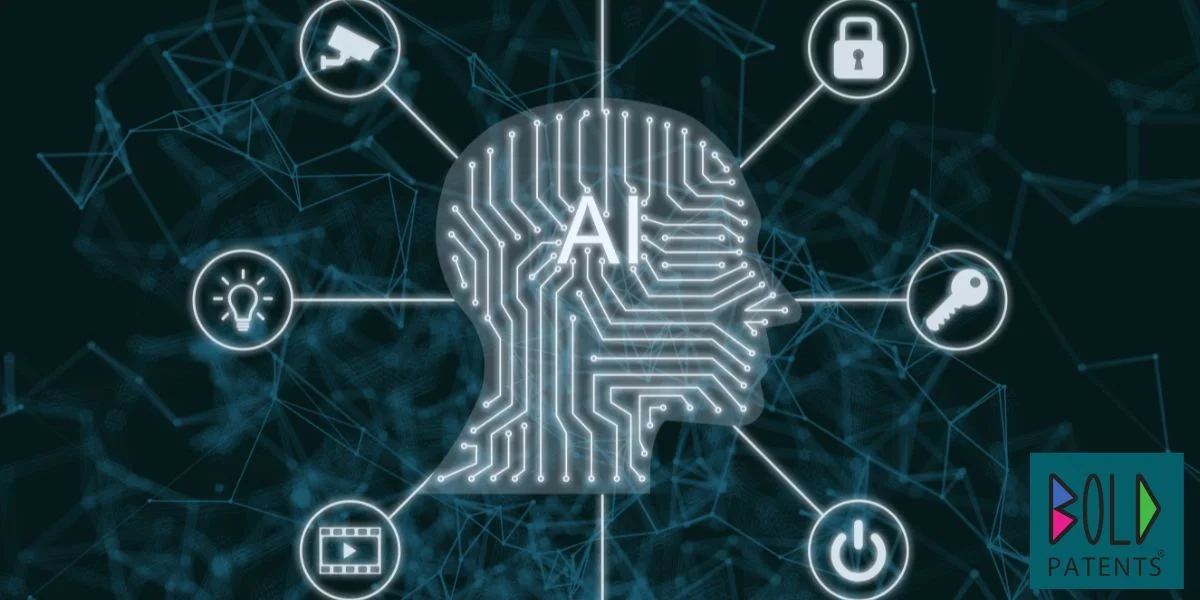
At Bold Patents, we have decades of experience in patent law, but we remain on top of the ever-changing landscape for innovation, particularly in new technologies. We have spent years helping visionaries like you develop inventions for patentability and realize your dreams.
When you create something new that is inspired by information or an idea from AI, we can help you determine whether you have a patentable invention. The attorneys with Bold Patents understand the complexities of AI patentability and have experience in a wide range of industries that your invention may fit into. We know how to navigate patents in industries like:
We have experience in many other complex industries. When you have created a bold idea, let Bold Patents help you protect it.

There are three types of patents that you can secure through the U.S. Patent and Trademark Office (USPTO). This includes:

Utility patents.This kind of patent protects a new machine, process, or composition of matter. If you’ve developed a new marketing technique inspired by AI, it may qualify for a utility patent.

Design patents. This patent protects the shape or design of an article manufactured by the inventor that is inventive. This might be the design of a product that was inspired by something generated by AI.

Provisional patents. This kind of patent is available for utility patent filings, as these are one of the most commonly filed patents. You can hold your place in the filing order while you refine your invention without having to submit a complete application. When you do file the application, as long as it is in the right timeframe, you get the filing date from the provisional patent.

Plant patents. This protects newly invented plant varieties, or plant varieties that are discovered through asexual reproduction. If you got an idea for a new plant variety from AI and brought that to reality, this type of patent may apply.
AI-generated inventions are inventions where the ideas, conceit, or other basis of the invention were made with the assistance of AI. To qualify as a patent, it must be:
Some examples of AI-inspired inventions may include:
Human input is important not only for the patentability of the invention, but also to avoid encouragement bias from AI systems and ensure the idea is functional and useful. It is crucial to work with an attorney early in the process of developing an invention, as they can help you find important resources in the right fields.
You should also work with an attorney because of the sheer number of patents being filed. There is a total patent inventory of nearly 1.25 million and over 559,000 utility, plant, and reissue patent applications filed at the USPTO as of August 2025, so it is crucial that you get help to give your patent the greatest chance of success.
While not every patent application process is the same, it could follow these steps:
AI will likely not take over the job of an AI patent attorney, as patent law is a complex legal landscape that requires a nuanced understanding of how the law applies to your unique circumstances. AI can provide information that is available online, but cannot give legal advice about the patentability of a specific invention or the specific requirements of a strong patent application.
You may be able to patent AI-generated inventions, but this area of law is constantly changing and depends on many factors. AI-inspired inventions are more likely to be patentable when there is a substantial contribution from the human inventor. It’s important to document and explain how AI was used as a tool to inspire or generate your invention, and the ways that you changed, improved, and added to this idea. An attorney can help you determine patentability.
Yes, you need to hire an attorney who is experienced in AI-generated inventions and related patents. They can help you review the specifics of your invention and determine its patentability, and will be up to date on the most recent changes to patent law regarding AI. AI patents are complex, and the laws are new, so having legal support is essential to improve success when filing a patent.
According to the USPTO, the average time it takes to receive a final decision on a patent is 26.6 months as of August 2025, not including applications where an inventor filed a request for continued examination (RCE). Filing an RCE increases the total time to receive a final response, and the average time for only patents with RCEs was 43.1 months.
There are unique challenges for inventions inspired by AI that can be difficult to navigate, but Bold Patents can help you. Contact our firm today and let us help you defend your new invention.
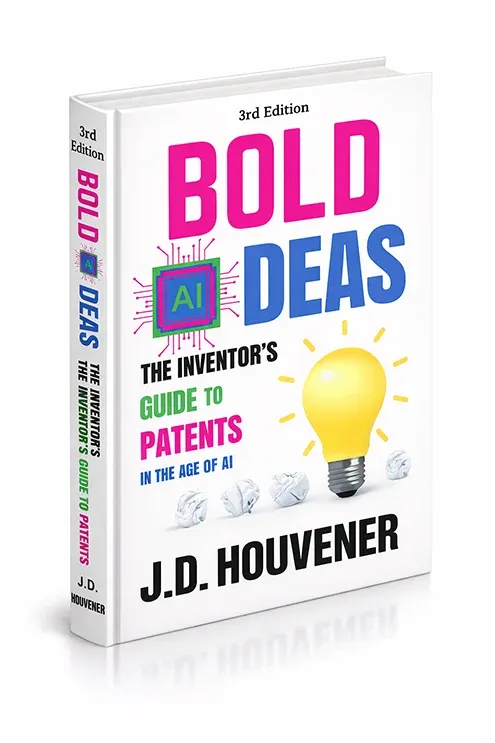
Written by Patent Attorney J.D. Houvener, this updated edition provides inventors, entrepreneurs, and startups with practical guidance for protecting ideas, avoiding costly mistakes, and navigating the patent process with confidence.
Whether you’re exploring a new invention, building a startup, or preparing to file a patent application, our team is here to help you move forward with confidence. Get personalized guidance from experienced patent professionals who understand the challenges inventors face.




We are a full-service patent and trademark prosecution firm. We help inventors and entrepreneurs research, protect, and monetize their intellectual property in the marketplace.
Schedule a Discovery Call 601-298-8425
Copyright © 2026 - Bold Patents• All Rights Reserved. Digital Marketing By: 