Innovators need to understand how to protect their inventions. A Cleveland, Ohio patent lawyer helps inventors determine how patents, as well as intellectual property & trademark protection, can give them certain rights to their creations. This helps entrepreneurs maintain a competitive edge, protect their interests in licensing agreements, and benefit from the vision they have created.
Cleveland, Ohio, has been a city of innovation for a long time. This ranges from the invention of the Lifesavers in 1912 by Clarence A. Crane, intending to make a candy that wouldn’t melt in the summer, to improvements of early x-ray machines in 1896 by Dayton Clarence Miller. There are many other inventors throughout Cleveland:
Charles Francis Brush, born in 1849, began determining how electricity could be used as lighting through an electric arc light. This was used for street lighting and in factories in Cleveland. Brush’s arc lights were used as the basis for Thomas Edison’s electric light.
Brush also invented a new type of battery and a better type of electrical generator. He formed the Brush Electric Company in 1880, a company that was responsible for developing the technology for the first electric streetcar.The attorneys at Bold Patents bring you dedicated legal representation, giving you actionable information regarding your invention and its patentability. We can help you determine what types of IP protection most effectively support your business goals and your personal financial future in the short and long term. Our team has years of experience helping visionaries draft patent applications to provide a better chance of securing important protections.
You can get a patent through the U.S. Patent and Trademark Office (USPTO), and it gives you the right to prevent other entities and individuals from using, making, selling, offering to sell, or importing your invention in U.S. states and territories. If another party engages in these actions, you can take legal action against them. There are three types of patents:
An invention may be eligible for both a design and a utility patent. When this happens, you want to determine which is more important for your business and financial goals. In some cases, you can apply for both.
In addition to meeting the definition for one of the types of patents, your invention must meet the basic requirements of a patent. This includes:
An patent attorney in Cleveland can help you determine the patentability of your invention, including determining if there are other inventions existing of which it is a derivative.
Cleveland has long been a powerhouse of economic growth, from its long history of manufacturing to its innovation in healthcare, technology development, and financial services. The city continues to attract businesses and entrepreneurs hoping to capitalize on these thriving industries.
Intellectual property protection plays a critical role in sustaining success in business, especially in such an innovation-driven environment. Patents can safeguard competitive advantages, such as manufacturing processes, medical devices and treatments, and technological advancements. The following represent five key industries currently thriving in Cleveland:
It’s important to get targeted patent guidance for your specific industry. Find your industry below to discover specialized patent requirements, strategic approaches, and how our attorneys can transform your ideas into protected intellectual property and assets.
The cost of hiring a patent lawyer to file a patent depends on several specifics. Legal representation to draft and file a patent may be charged as a flat fee or an hourly fee, depending on the complexity of your invention and the time the process is likely to take. Fees are also dependent on the attorney’s skill, education, and experience in the field. Always review an attorney’s past work and licensure and discuss potential attorney’s fees beforehand.
The main difference between a patent lawyer and an IP (intellectual property) lawyer is the broadness of their practice. An IP lawyer has more broad knowledge about IP protection but may not have specific knowledge relating to patents. IP lawyers are also not always registered to work with the USPTO.
Patent lawyers have in-depth knowledge of patents and patent applications and should be licensed with the USPTO. Patent lawyers may have less knowledge about other types of IP protection.
While it is not required that you have a lawyer to get a patent, it is highly encouraged and beneficial to you. Applying for a patent is a complex process. You must gather all the right documents, understand the guidelines that apply to the type of patent for which you are applying, and respond quickly to requests from the USPTO. This process is much more manageable with a skilled patent lawyer who has navigated it before and may be more successful.
How long it takes for an attorney to file a patent depends on how much information needs to be gathered to properly document your invention. More complex inventions may require more technical methods of documentation, which require specific resources.
It is important to work with an patent attorney in Ohio who maintains communication with you and ensures you are aware of the likely timeline of filing your patent. Once the patent is filed, the amount of time it takes to be processed can vary depending on several factors.
If you have a bold invention in Cleveland, you need bold legal representation. Contact Bold Patents today.
At Bold Patents, we’re thrilled to celebrate Brian Poetter of Perrysburg, Ohio, the innovator behind FanBags Cornhole and his patented interchangeable cornhole board system. Brian is the named inventor on U.S. Patent No. 10,603,560 B2 and U.S. Patent No. 10,898,775 B2, both of which protect his clever solution that allows players to quickly swap out faceplates on a cornhole board. This design means one durable frame can support endless designs—perfect for fans who want to change up their look, show off team pride, or refresh worn surfaces without replacing the whole board.
Firmly planted in the Consumer Products industry, Brian’s invention blends recreation with smart engineering. His interchangeable design doesn’t just elevate the player experience—it also opens powerful commercial opportunities through branding, sports tie-ins, and licensed graphics. The proof? Brian has already inked three licensing deals, showing how strong intellectual property paired with entrepreneurial drive can turn a backyard pastime into a business success story.
Bold IP attorney Christopher Mayle worked closely with Brian to secure these patents, ensuring his inventive concept was protected with strength and clarity. And while Brian proudly calls Perrysburg home, his Chicago Bears fandom is proof that his bold spirit—and his boards—carry both hometown pride and big-league flair. Congratulations to Brian and the FanBags team for redefining a classic game and showing how bold ideas truly win.
Tagline: Designed to SURV the catheter-wearing community.
In the highly specialized world of medical devices, incremental improvements can have outsized consequences. For Stephen Nardi, an inventor based in Cleveland, Ohio, that principle guided the development of his Catheter Slide Valve Device. SURV™ is the brand name for the innovative catheter slide valve device designed to improve dignity, mobility, and quality of life for catheter users.
Catheter systems are widely used across healthcare settings, from hospitals to outpatient care facilities, yet their reliability and ease of use remain critical concerns. Even small inefficiencies in valve control can introduce risk, complicate procedures, or reduce clinician confidence. Nardi identified an opportunity to refine how catheter valves function, focusing on improving control, usability, and consistency in real-world clinical environments.
That effort culminated in the issuance of U.S. Patent No. 12,485,266, titled “Catheter Slide Valve Device.” The patented design reflects a thoughtful approach to mechanical precision, featuring a sliding valve mechanism intended to provide smoother operation and more dependable fluid regulation. While the concept may appear straightforward on the surface, its implications are significant: greater control can help improve procedural outcomes and reduce complications in situations where precision is essential.
What distinguishes Nardi’s invention is its grounding in practical application. Rather than pursuing complexity for its own sake, the device addresses a tangible challenge faced by healthcare professionals and catheter users every day. Innovations like SURV™ may not attract widespread public attention, but they play an essential role in modern healthcare by quietly improving patient safety, workflow efficiency, independence, and quality of life.
Securing patent protection marks a significant milestone in the innovation journey. Within the medical device industry, intellectual property often serves as the bridge between concept and commercialization. It provides the legal foundation necessary to pursue strategic partnerships, manufacturing opportunities, investment, or licensing discussions. Obtaining patent protection not only recognizes the novelty of an invention but also strengthens its position within a competitive and highly regulated marketplace.
Like many inventors working in technical fields, Nardi’s path underscores the importance of persistence. Medical device innovation requires navigating multiple layers of product development, engineering refinement, regulatory awareness, and intellectual property strategy. Progress is rarely linear. Each stage, from identifying the initial problem to refining the final design, demands technical expertise, careful planning, and long-term commitment.
The patent was secured with the guidance of Binita Singh, Patent Attorney at Bold Patents, whose legal strategy helped successfully guide the invention through the U.S. patent process. In an industry where precision extends beyond engineering, experienced patent counsel plays a vital role in ensuring that valuable innovations receive strong, enforceable intellectual property protection.
As the medical device industry continues to evolve, innovations like the SURV™ Catheter Slide Valve Device demonstrate how focused engineering can drive meaningful improvements in patient care. Whether through future licensing opportunities, manufacturing partnerships, or widespread clinical adoption, Nardi’s work reflects a practical philosophy: solve an important problem well, and meaningful impact can follow.
Looking ahead, the foundation established by U.S. Patent No. 12,485,266 provides this Ohio inventor with a strong platform for the next phase of commercialization. As the invention moves from protected intellectual property toward real-world implementation, it has the potential to make a measurable difference where it matters most, in the hands of healthcare professionals and the individuals who rely on catheter care every day.
“As the inventor, my goal in creating SURV was to provide catheter users with greater dignity, mobility, and confidence in their daily lives. I believe this simple and affordable solution has the potential to make a meaningful difference for both patients and healthcare providers.” — Stephen Nardi
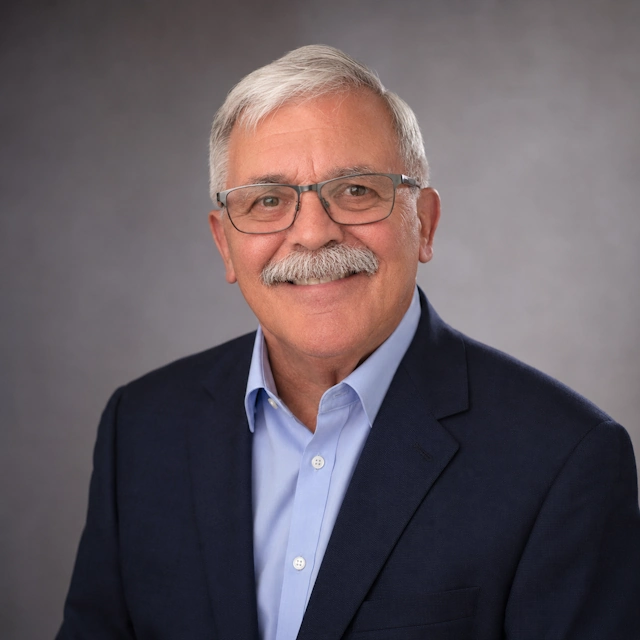
Principal Patent Attorney, Bold Patents




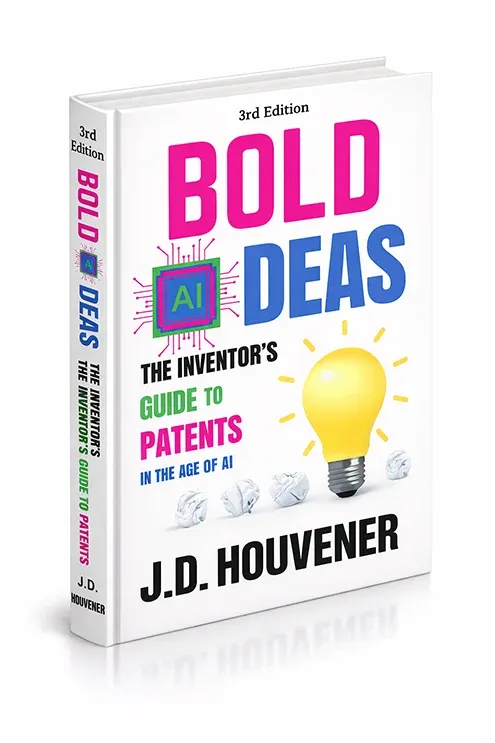
Written by Patent Attorney J.D. Houvener, this updated edition provides inventors, entrepreneurs, and startups with practical guidance for protecting ideas, avoiding costly mistakes, and navigating the patent process with confidence.
Whether you’re exploring a new invention, building a startup, or preparing to file a patent application, our team is here to help you move forward with confidence. Get personalized guidance from experienced patent professionals who understand the challenges inventors face.


We are a full-service patent and trademark prosecution firm. We help inventors and entrepreneurs research, protect, and monetize their intellectual property in the marketplace.
Schedule a Discovery Call 601-298-8425
Copyright © 2026 - Bold Patents• All Rights Reserved. Digital Marketing By: