
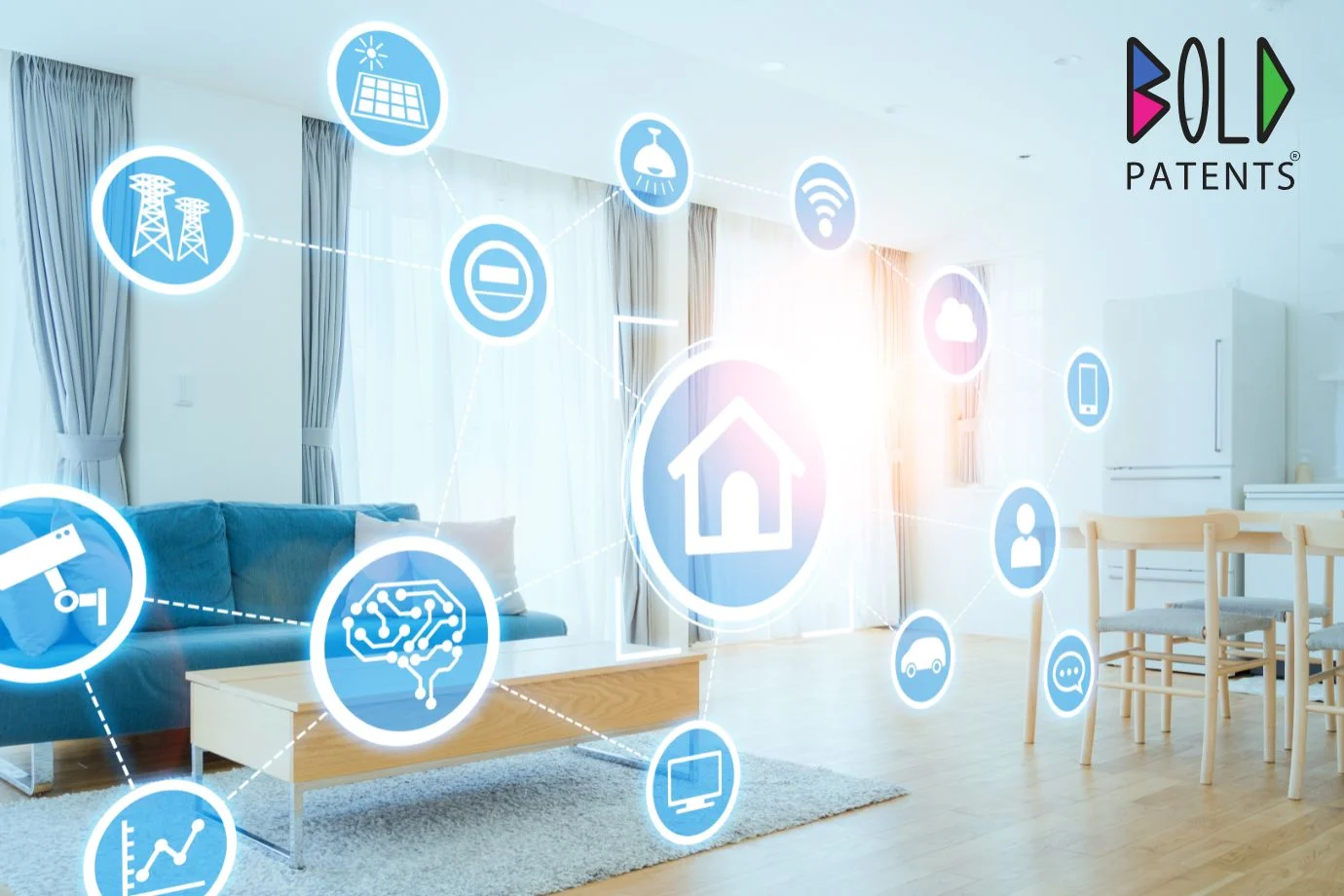
Innovation is present in several technological fields, including the advancement of smart home technology. Smart home technology provides convenience, comfort, and efficiency into the lives of millions of homeowners. Remaining on the cutting edge of this technology and protecting your intellectual property is crucial to ensuring competitiveness in the field.
Getting the support of an experienced smart home technology patent lawyer can help you review your options for how you can protect your intellectual property and profit from your groundbreaking creations. Whether you are a small business owner or an independent inventor, an attorney can support you in your journey to innovate.

The attorneys at Bold Patents have worked for years to help visionaries like you protect what they have created. We help talk through your options for intellectual property protection, including trademarks, copyrights, patents, and trade secrets. We understand the importance of a comprehensive strategy when protecting your inventions.
The competitiveness of the industry is fierce, and protecting your invention helps you compete effectively. Patents are one of the most crucial ways that businesses and inventors protect their rights, allowing them to license their invention and profit from it.
Our team can provide you with patent opinions and the information you need to make decisions that benefit your financial future and your business goals. We help you apply for and maintain your intellectual property protection.
Securing a patent in the smart home technology industry is a complex yet essential process, given the rapid innovation and competitive nature of this field. It starts with a thorough patent search to confirm the novelty of an invention, such as a groundbreaking home automation system. Following this, a detailed patent application must be prepared and filed with the patent office, outlining the invention’s unique features, functionality, and distinctions from existing technologies. Navigating the patent landscape for smart home devices can be challenging, with hurdles like assessing patent eligibility, managing potential infringement disputes, and securing international protections. These complexities often necessitate expert legal support. Patent attorneys play a vital role in not only obtaining patents but also ensuring they are strong enough to withstand legal scrutiny in this fast-evolving industry.

Utility patents. Utility patents protect the functional innovations in smart home technology, like an algorithm optimizing energy use or a sensor monitoring air quality. They secure the technical mechanisms – such as a smart lock’s encryption – offering exclusive rights to inventors. In this competitive field, utility patents require detailed descriptions of how the invention works and its novel contributions, ensuring robust protection.

Design patents. Design patents safeguard the ornamental appearance of smart home devices, such as a sleek thermostat or stylish lighting fixture. Focusing on aesthetics rather than function, they prevent competitors from copying a product’s unique look – like a smart speaker’s curves – enhancing brand identity and market appeal in the design-driven smart home industry.

Provisional patents. Provisional patents offer a one-year filing date for smart home inventions, like a prototype security camera with AI. Labeled “patent pending,” they provide time to refine the innovation cost-effectively, securing early protection in the fast-evolving smart home sector.

Plant patents. Plant patents, protecting new plant varieties, are generally not relevant to smart home technology. Focused on horticulture, they don’t apply to devices or software, such as automation systems, which are covered by utility or design patents instead.
Intellectual property (IP) protection allows inventors and creators to protect their creative works, ideas, and inventions. There are several forms of IP protection, each with its own benefits and drawbacks depending on your needs.
Some forms of smart home technology only qualify for one form of IP protection, while others may apply for multiple. Reviewing your options with a skilled attorney helps you make informed choices about how to protect your technological invention. The primary types of IP protection that apply to smart home technology include:

LG introduced an advanced smart home device designed to automate household tasks and enhance daily living. The robot features autonomous mobility, AI integration, and multi-modal technologies, allowing it to navigate homes independently, respond to user commands, and seamlessly integrate with other smart devices.

Amazon’s Echo Hub serves as a sophisticated smart home control center, integrating voice-controlled devices with home automation systems. Protected under U.S. Patent No. 9,953,101, this technology allows users to manage multiple devices, such as lighting and HVAC systems, using voice commands, and offers personalized experiences by recognizing different users.
View PatentSmart house technology refers to devices and appliances connected through a system that can be controlled remotely. Smart houses may enable owners to control lights, thermostats, televisions, security measures, appliances, and other systems.
These devices are set up through wireless or hardwired systems, which means they can be controlled through one system on the owner’s phone or other device. In addition to remote control, a smart home system allows for scheduled tasks. This adds convenience and can save money.
A smart device can be patented through a utility patent if it is a new and useful machine, process, makeup of matter, or item of manufacture. A smart device could be patented if it is an innovative way of processing information, a new type of smart device, or an innovation on an existing smart device.
A smart device could also be patented through a design patent if there is a new and ornamental design of a product.
The cost of a smart home technology patent lawyer relies on the scope of legal representation you need, as well as the attorney’s experience and abilities. Smart home technology is often more technologically complex, and so it requires more technical documentation. This often requires more resources and can increase the costs of applying for a patent.
If you are hiring a patent lawyer to defend infringement on your patent rights, this is a much more costly form of legal representation.
In order to patent an idea for smart home technology, a lawyer isn’t required, but it is encouraged. The USPTO advises working with an attorney due to the complexity of the patent application process and the expenses of making a mistake.
Working with an attorney offers you professional guidance, opinions, and resources when drafting and filing your application. If issues arise during the review of your application, your attorney can address them quickly.
Smart home technology continues to evolve and change, and new advancements in the field are exceptionally profitable, helping support homeowners and business owners to improve convenience and security. IP protection is essential for entrepreneurs with improvements and new inventions in smart home technology. When you need legal support and professional resources, Bold Patents can help you. Contact our firm today to learn how we can help.
Written by Patent Attorney J.D. Houvener, this updated edition provides inventors, entrepreneurs, and startups with practical guidance for protecting ideas, avoiding costly mistakes, and navigating the patent process with confidence.
Whether you’re exploring a new invention, building a startup, or preparing to file a patent application, our team is here to help you move forward with confidence. Get personalized guidance from experienced patent professionals who understand the challenges inventors face.






We are a full-service patent and trademark prosecution firm. We help inventors and entrepreneurs research, protect, and monetize their intellectual property in the marketplace.
Schedule a Discovery Call 601-298-8425
Copyright © 2026 - Bold Patents• All Rights Reserved. Digital Marketing By: