When you create a new machine or process in an important industry in Long Beach, like maritime technology or a method to improve logistics, you have to protect that innovation. A Long Beach utility patent attorney can help you file for patent protection and safeguard your financial interests.
Bold Patents attorneys have decades of patent and intellectual property law experience. We have secured many patents, including those in industries like aviation and emerging technologies. Whether you are part of a small business, are trying to begin a start-up, or are an independent inventor, we can help you protect your interests and secure legal rights to your inventions.
A patent is a type of intellectual property protection for novel, non-theoretical, and non-obvious inventions. There are three types of patents, and utility patents apply to inventions that are useful and are:
Patent protection can enable you to take legal action if someone sells, makes, or uses your invention without your permission. These are strong protections that last for 20 years and can help you secure a market advantage.
It’s important that inventors and entrepreneurs in Long Beach understand the industries that propel the city’s economy and culture. These are also the areas where the most innovation is occurring, so they offer new opportunities for your innovation.
Being aware of the cutting edge in these sectors also helps prevent you from being left behind. These industries include:
These industries see innovation from many driving factors, including:
Resources are especially important when you are working on your own to develop your invention or begin a start-up.
USPTO resources are some of the most essential for the patenting process. The USPTO Western Regional Office is located in San Jose, and there is a USPTO Patent and Trademark Resource Center (PTRC) located in Los Angeles, close to Long Beach. It is in the Los Angeles Public Library. PTRCs can help with patent information, including support for applications and conducting prior patent searches.
Before the patenting process, when you are still creating and refining your invention, there are many other options for resources. These can help you secure funding, aid you in networking, help you commercialize your invention, and give you space to work. This includes resources like:
When you work with an experienced patent attorney, they can help you determine which of these and other resources are helpful for you. They also help you protect your interests when collaborating so your rights to your invention are not threatened.
It’s important to get targeted patent guidance for your specific industry. Find your industry below to discover specialized patent requirements, strategic approaches, and how our attorneys can transform your ideas into protected intellectual property and assets.
The average cost of a utility patent relies on several factors. This includes what professional you work with to secure the patent, the patent fees, and whether you qualify for the 60% to 80% fee reduction.
Some of the basic USPTO fees for utility patents include a $325 provisional application fee, a $350 nonprovisional application fee, a $770 search fee, an $880 examination fee, and a $1,290 issue fee. There are also maintenance fees.
When you look up a granted patent or publicly disclosed patent application, it will state whether it is a utility or design patent.
Some inventions have both a utility patent and a design patent protecting them. Utility patents are meant to protect the actual function of an invention, such as a machine, while design patents are for the aesthetics of the invention, such as the innovative shape of that machine or a design applied to it.
The time it takes for a utility patent to be approved depends on your unique patent. According to the USPTO, it takes an average of 33.7 months to receive a final answer from the USPTO about your patent application. Your patent may take more or less time, depending on the workload of the USPTO office you file with, the complexity of your invention, whether many USPTO office actions are needed, and whether you file a request for continued examination.
The three requirements for an invention to meet the requirements of a utility patent are that it is 1) useful, 2) novel or an improvement on an existing invention, and 3) it is either a manufactured article, a machine, a process, or a composition of matter.
The invention also has to meet the requirements of a patent, meaning it is not just a theoretical idea, it is not an obvious derivative, and there are instructions on how to use and create it.
When you hire a utility patent attorney, you want a local attorney who understands the unique patent and innovation needs of Long Beach. At Bold Patents, we can help you at each step of the patent process, from finding important resources to connecting you with our patent litigation network to prevent infringement. Get in touch today.
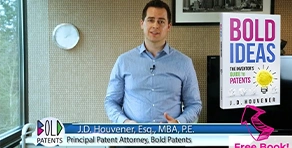




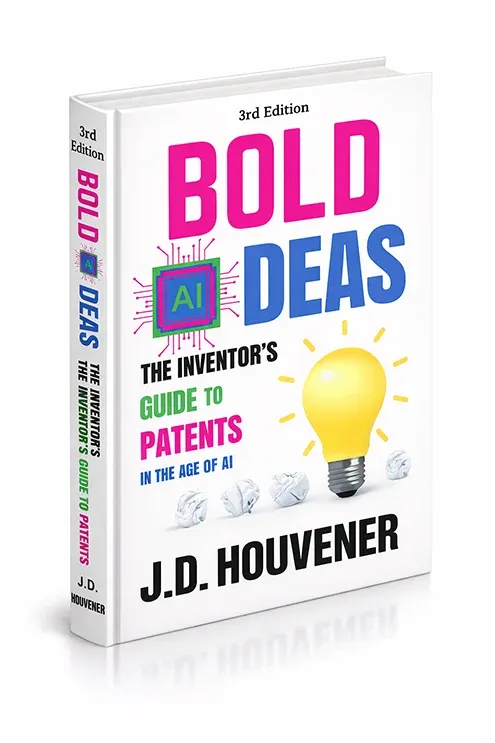
Written by Patent Attorney J.D. Houvener, this updated edition provides inventors, entrepreneurs, and startups with practical guidance for protecting ideas, avoiding costly mistakes, and navigating the patent process with confidence.
Whether you’re exploring a new invention, building a startup, or preparing to file a patent application, our team is here to help you move forward with confidence. Get personalized guidance from experienced patent professionals who understand the challenges inventors face.




We are a full-service patent and trademark prosecution firm. We help inventors and entrepreneurs research, protect, and monetize their intellectual property in the marketplace.
Schedule a Discovery Call 601-298-8425
Copyright © 2026 - Bold Patents• All Rights Reserved. Digital Marketing By: