
Overcoming Section 102 Patent Rejections Due To Novelty Standards
One of the hurdles inventors must clear when applying for patent protection is proving that their idea or creation is “novel.” But what is a novel invention? Does that mean you can only patent a brand-new idea for something the world has never seen? Fortunately, no — but your invention does need to be...
Overcoming Section 102 Patent Rejections Due To Novelty Standards Continue reading…
Overcoming Section 101 Subject Matter Eligibility Rejections
Your invention or idea is novel and unique — so surely you should be able to obtain a patent for it, right? Not necessarily. You will also need to meet patent subject matter requirements.
Subject matter eligibility is one of the most important tests you’ll need to pass in order to obtain patent protection for your invention or...
Overcoming Section 101 Subject Matter Eligibility Rejections Continue reading…

The Guide: Patenting Dental Implants
td {padding:10px;border:1px solid black;}td img {margin:0 auto;display:block;}
Dental professionals understand that dental implants are essential for patients who have lost teeth due to injury, decay, or other reasons. They provide a permanent solution to restore a patient's smile and improve their quality of life. However, developing a new dental...

Next Patent Steps To Consider After A Notice Of Allowance
If you submitted your patent application close to a year ago, or even longer, and have patiently waited and responded to one or more office actions, you are likely ready to be done with the patent filing process. Applying for patent protection can, at times, seem like a never-ending process. When you...
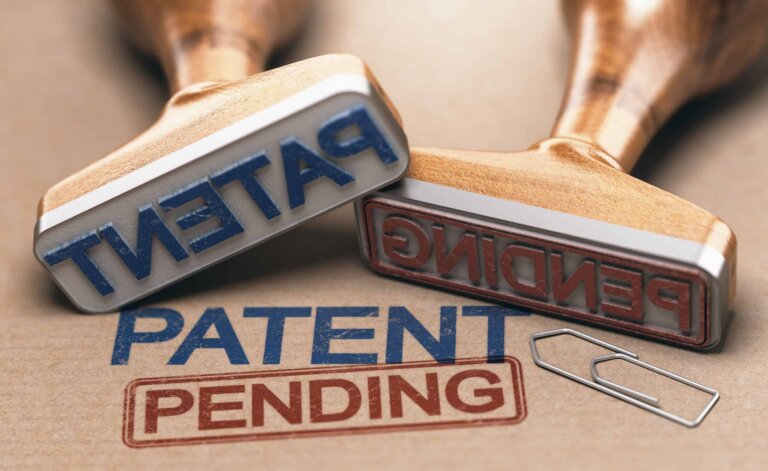
How Do You Draft A Patent Abstract?
You’re ready to patent your invention, but you just found out you need something called a “patent abstract.” If you’re not sure what that is or what you should do next, don’t panic! An abstract is a written summary that is included as a separate page with your patent application and is designed to...
How Do You Draft A Patent Abstract? Continue reading…