Last Modified on July 06, 2026

I got a question the other day from an inventor. They said, “I have a Canadian and a U.S. patent on my invention, it’s in the oil drilling sector, but I haven’t done anything with it in three years. I want to commercialize it, make it real. How do I go about that?”
I could feel the weight in that question. This is not a small, cheap gadget you can throw together in a garage. We’re talking oil drilling, a sector where everything costs a fortune. Machines, engineering, materials, each step is expensive. No surprise that, after three years, it still hasn’t hit the market. But that doesn’t mean it’s stuck forever.
Step One: Understand the Challenge
First, let’s acknowledge reality. Commercializing a patent, especially in heavy industries like oil drilling, isn’t easy. You’re not selling an app or a kitchen gadget. You’re trying to bring something costly, complex, and highly specialized to market. That means:
- High upfront costs.
- Engineering challenges.
- Regulatory approvals.
- The need for expertise you may not have yet.
So, if you’re staring at your patent wondering how to sell it, don’t feel bad. Most inventors are in the same boat. You don’t need to build it yourself right away. You have options.
Option One: Licensing
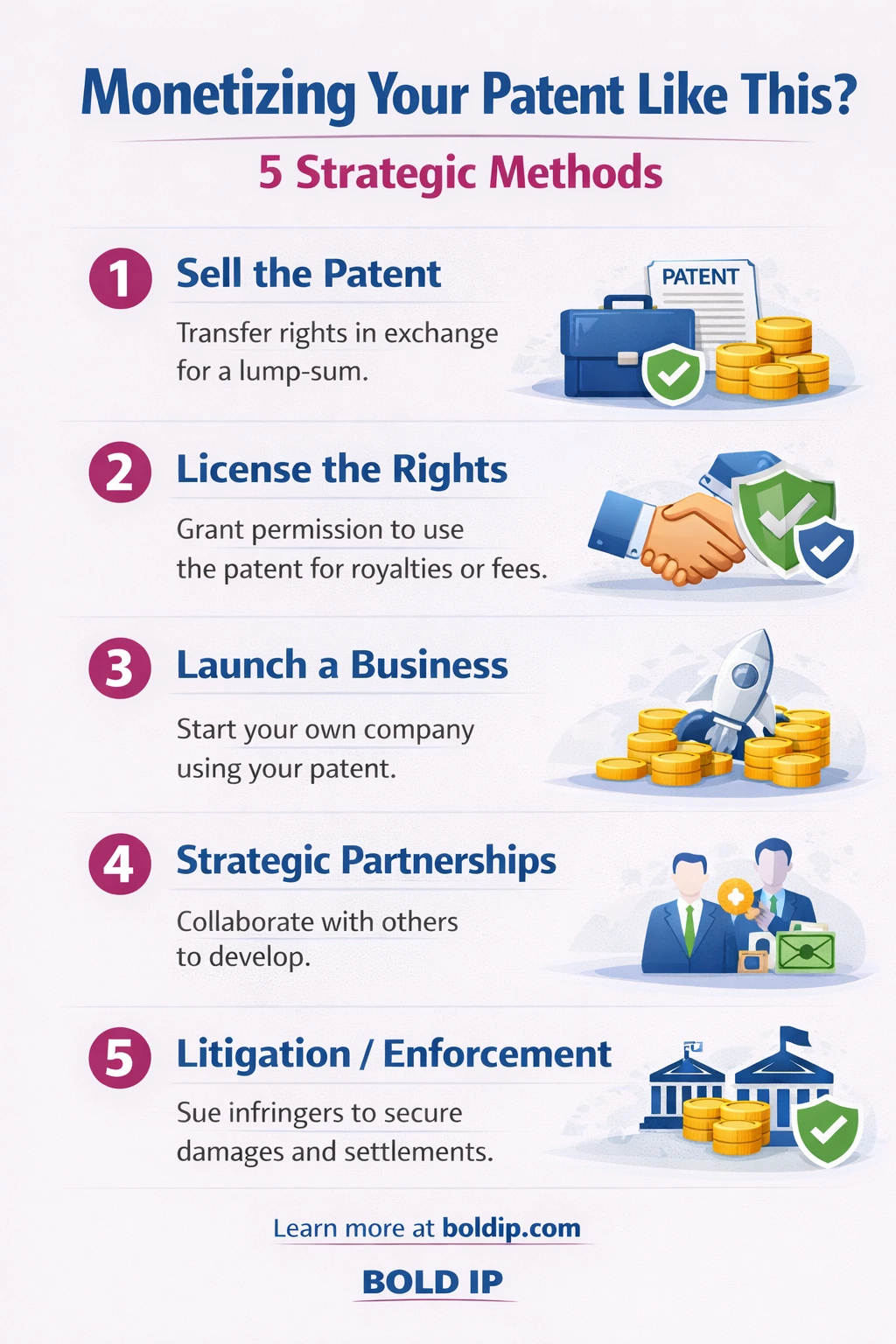
Licensing is often the most practical path. Instead of trying to build the machine yourself, you let someone else do it. You grant them the right to use your invention, and in return, you get paid.
Here’s how it usually works:
- Patent Evaluation
Before talking to anyone, you need to understand what your patent is really worth. There are companies that specialize in this. They’ll look at your invention, the market it fits into, and estimate its potential value, even if it hasn’t generated revenue yet. - Create a Sales Sheet
Think of this as a one-page introduction to your invention. Include:- What it does.
- Why it’s better or different.
- Who might benefit from it.
- Your patent status.
- Use a Broker
If you don’t want to cold-call companies yourself, there are brokers who can help. They act as your middleman, presenting your invention to potential licensees. They’ll handle the conversations, negotiations, and follow-ups, making the process smoother.
I’ve seen this work well, especially in industries where building a prototype is expensive. You don’t need to fund a factory or buy raw materials, you’re selling the idea in a way that someone else can take it to market.
Option Two: Watch for Potential Infringers
The second approach is a bit more hands-on. It’s not about selling directly, it’s about keeping an eye on the market.
If you’re in the oil drilling sector, watch who’s coming up with similar tech. Sometimes, companies will start creeping close to what your patent covers without realizing it, or maybe they do realize it.
When you spot someone who might be infringing, you can approach them. Here’s how:
- Send a Letter: Keep it polite. You’re not threatening them. You’re saying, “Hey, I noticed something. You might be getting close to my patent. I’d like to talk about working together instead.”
- Offer a Partnership: Sometimes companies are happy to license or collaborate. It can turn a potential conflict into a business opportunity.
This strategy is proactive, but it requires attention. You have to monitor patents, products, and competitors regularly. The oil drilling world moves slower than tech, sure, but missing the right timing can cost you leverage.
Step Three: Build Your Team
No matter which path you take, you can’t do it alone. Even with licensing, you need guidance. That’s where a board of advisors comes in.
Here’s what that looks like:
- Industry Experts: People who understand oil drilling equipment, regulations, and market demand. They can tell you if your idea is realistic and what price point makes sense.
- Engineers or Consultants: Folks who can vet your invention technically. They’ll spot potential problems before you waste time or money.
- Business Advisors: People with experience in licensing, commercialization, and negotiations. They can help with deals, contracts, and strategy.
Think of your board as your first investors. Even if they don’t put in money immediately, their advice could save you years of headaches, and hundreds of thousands in costs.
Step Four: Consider Capital
Even if you go the licensing route, capital matters. Why? Because companies want to know you’re serious. A polished sales sheet, some prototype data, and market analysis all cost money.
Sometimes inventors stall here, thinking they need millions to start. Not always true. You don’t need to fund full-scale production, you just need enough to:
- Validate your invention.
- Show a proof of concept.
- Demonstrate market interest.
These small steps make your patent more attractive to licensees or partners. Think of it like planting seeds before selling the harvest.
Personal Story
I worked with an inventor once who had a U.S. patent on a specialized industrial tool. It took him five years to get it off the ground. Why? He tried to build it himself and ran out of cash halfway.
When he switched to licensing, everything changed. He created a simple sales sheet, had his patent evaluated, and approached companies with existing production lines. Within six months, he had multiple licensing offers. He didn’t need to buy a factory, hire engineers, or take on massive debt. He just needed a clear presentation of value.
This happens more often than people think. Licensing is powerful, but you have to prepare correctly.
Market Knowledge Matters
Oil drilling is a specialized field. You can’t just cold-call random companies. You need to know:
- Who manufactures equipment in your niche.
- Who might need your invention.
- Who has the resources to bring it to market.
Sometimes, inventors underestimate this. They think, “If I build it, they will come.” In reality, most industries have gatekeepers, regulations, and long decision cycles. Understanding the market saves you from wasted effort.
Keep an Eye on Competition
Even if you go the licensing route, keep watching the market. Competitors, startups, and other inventors can appear. A patent doesn’t automatically give you income, it gives you leverage.
Use your patent actively:
- Share it at trade shows.
- Mention it in industry publications.
- Use it in presentations to potential partners.
This isn’t bragging, it’s showing your invention has legal backing and real value.
Evaluate All Options
Sometimes, inventors think there’s only one way to commercialize a patent: build it themselves. That’s rarely true. Other paths include:
- Selling the Patent: Straightforward, one-time payment. Quick cash, but you give up long-term gains.
- Joint Ventures: Partner with a company to develop and share profits. Risk is shared, but so is control.
- Prototype Development: Build a small-scale model to attract investors or licensees. Shows feasibility.
Each choice has trade-offs. Licensing is low-risk but slower. Selling gives fast money but ends your control. Joint ventures are in-between. Your decision depends on resources, risk tolerance, and personal goals.
Practical Steps to Start Today
Let’s boil it down. You’ve got your patent. You want to make it real. Here’s a step-by-step path:
- Get a Market Valuation
Hire a professional or a company to assess your patent’s worth. Even pre-revenue, they can help you quantify value. - Create a One-Page Pitch
Simple, clear, and compelling. Highlight benefits, not just technical specs. - Assemble a Board or Advisors
Industry experts, engineers, and business mentors. Their advice is priceless. - Explore Licensing First
Reach out to potential licensees or use a broker. Let someone else handle production and distribution. - Monitor the Market
Watch for potential infringers, competitors, and companies who might benefit from your invention. - Consider Capital Needs
Small investments can make your patent more marketable. Think prototypes, sales sheets, and market research, not a full-scale factory. - Be Patient but Persistent
Three years without commercialization isn’t unusual in high-cost industries. Keep building connections and refining your pitch.
Common Pitfalls to Avoid
- Waiting Too Long: A patent alone doesn’t generate revenue. Inaction costs you time and potential partners.
- Overbuilding: Trying to manufacture your invention without the resources can drain funds fast.
- Ignoring Market Fit: Even a brilliant invention fails if there’s no customer or company willing to buy or license it.
- Going Alone: No one knows everything. Advisors, mentors, and brokers make a huge difference.
A Final Thought
Commercializing a patent isn’t about luck. It’s about strategy. It’s about knowing your market, understanding your invention’s value, and finding the right partners. Sometimes the easiest path is licensing. Sometimes it’s watching the market and negotiating partnerships.
Either way, start small. Validate your invention. Build relationships. And use your patent as a tool, not just a piece of paper.
Remember, three years might feel long, but in industries like oil drilling, it’s just the beginning. With focus, preparation, and the right approach, you can turn your patent into a real product, or a profitable licensing deal.
Key Takeaways
- Licensing is often the easiest route for expensive, complex inventions.
- Build a board of advisors to guide strategy and technical decisions.
- Monitor the market for competitors and potential infringers.
- Prepare a clear, simple pitch with a market valuation.
- Small investments in prototypes or presentations can unlock major opportunities.
- Patience and persistence matter more than speed in heavy industries.
This approach balances practical advice with human insights. It mixes short sentences with longer ones for rhythm. It gives analogies and examples without jargon. And it keeps everything clear, readable, and actionable for someone trying to turn a patent into reality.