Patent Attorney and Founder
“You know… I’m not sure people will even want this.”
Most inventors have said that line at least once. Maybe you said it this week. Maybe this morning.
You’re working on an idea. It feels useful. Maybe even exciting. You can see how it might work in real life. You picture someone using it at home, at work, or in the garage.
Then the doubt shows up.
Would anyone actually buy this?
What if I’m the only one who thinks it’s cool?
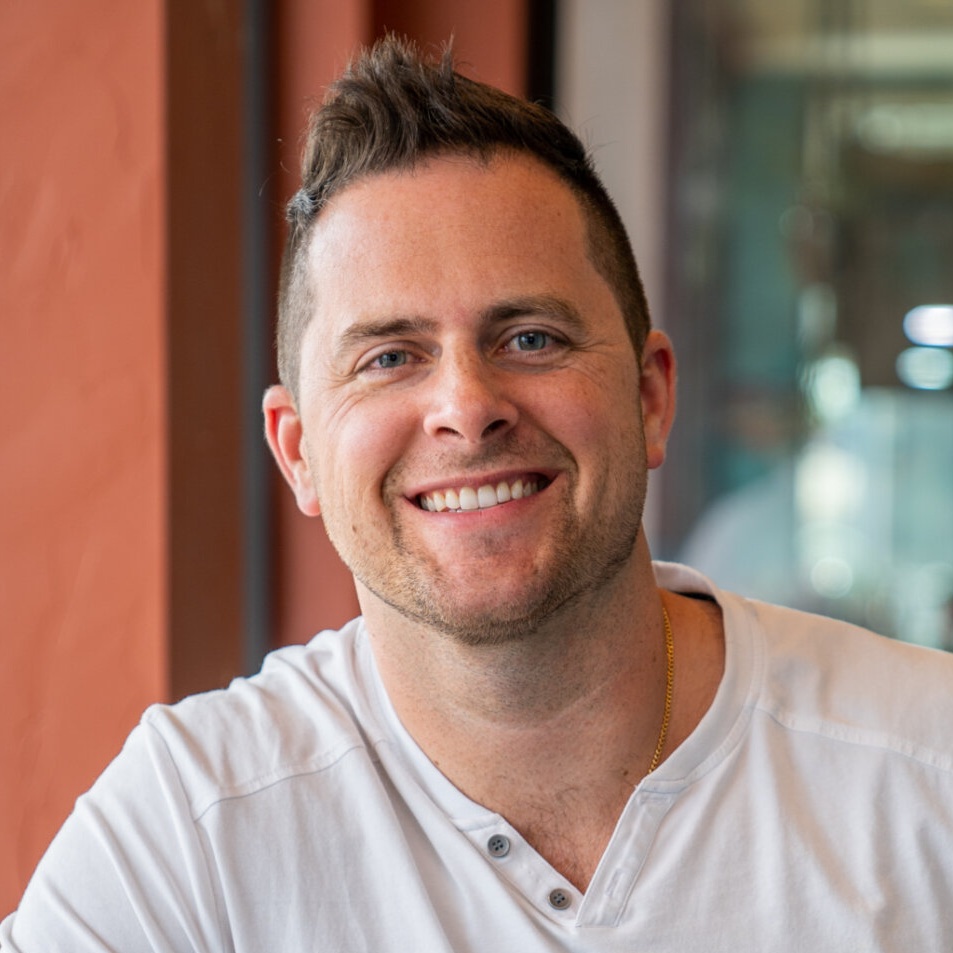
I’m JD Houvener, patent attorney and founder of Bold Patents. I’ve spent years talking with inventors at that exact moment. They’re excited about an idea, but unsure what the public will think.
It’s a fair question. You’re not just asking if it works, you’re asking if strangers will care enough to spend money on it.
Here’s what many inventors miss:
Those questions are normal. Healthy, even. They show you’re thinking about the real world.
But they shouldn’t stop you.
Too many good ideas die right there, sketched, prototyped, shown to a friend or two, and then filed away. Not because the idea was bad, but because the inventor didn’t move forward.
You cannot predict demand with perfect accuracy.
No one can. Not inventors. Not lawyers. Not big companies. Not market experts.
Many products people love today looked strange at first. Some seemed unnecessary. Others looked like toys. But someone believed in the idea enough to protect it, and try.
That protection matters.
A patent stakes your claim. It gives you space to talk about, test, and build your idea without fear someone else will grab it.
Think of it like saying:
“This idea came from me.”
Now you can show it, improve it, license it, or build a business around it. Protection removes fear and frees progress.
Real story: The digital camera
Kodak engineer Steven Sasson builds something unusual: the first digital camera.
Film was the system everyone knew, you dropped a roll at the shop and waited days.
Sasson asked: “What if photos didn’t use film at all?”
His early camera weighed eight pounds, recorded to cassette tapes, and produced tiny black-and-white images. People loved film. Change seemed unnecessary.
Even Sasson wasn’t sure anyone would want it.
But the patent was filed. Protection was in place. Years later, digital photography became the norm. Phones now take better photos than his first camera ever could.
Lesson: Demand often arrives later than invention.
Real story: Kitchen tools
Late 1980s. Sam Farber notices a problem: kitchen tools are hard on hands, especially for his wife with arthritis.
He asks: What if handles were softer? What if rubber grips made them easier to hold?
Obvious now, but uncommon then.
He designed tools with thick rubber grips, filed design patents, and created OXO. Millions of kitchens now use those tools.
Lesson: Small improvements can create big impact.
Real story: The Segway
Early 2000s. Dean Kamen invents the Segway, two wheels, a tall handle, self-balancing with sensors.
It didn’t become a daily vehicle for most people. Sidewalks weren’t flooded with them.
But the technology mattered. Balancing systems, sensors, control concepts, they paved the way for hoverboards, scooters, and warehouse robots.
Lesson: The first version isn’t always the final story. Patents protect ideas for future opportunities.
Real story: The Super Soaker
Lonnie Johnson, working on a heat pump, accidentally shoots water across the room.
He sees a toy opportunity. Companies reject it. Kids might not care.
He persists. The Super Soaker launches and becomes one of the most popular water toys ever. Millions sold.
Lesson: You can’t predict success. You protect and pursue the idea, then see what happens.
Pattern emerges: inventors rarely know the outcome.
They don’t know if sales will explode, if the product will become niche, or if it leads to the next invention.
They do know the idea is worth exploring. That belief is enough to take the next step.
Inventors often say:
“I’m not sure if this is big enough.”
“Maybe people won’t care.”
“I don’t know if the market exists.”
Sometimes they apologize before explaining it. But when they describe the problem, the passion shines through. Prototypes may be duct tape, cardboard, 3D prints, or sketches, but the idea is alive.
A patent doesn’t promise success. It’s not a sales guarantee.
It does give you control:
- Talk about the invention openly
- Show it to partners
- Pitch it to companies
- License the design
- Build a business
Without protection, sharing feels risky. Fear slows progress. Patents remove some of that weight and let you test the waters.
Think about how products start:
Rough prototype → feedback → changes → version 2 → version 3
Innovation grows through testing, mistakes, and small improvements. Fear can stop that process before it begins.
Think of an invention like planting a seed.
Tiny. Fragile. Unknown how tall it will grow. Unknown how long it will take.
Protection is part of planting. It creates the soil where the idea can grow.
Some inventors wait for certainty: proof the market will love the product before filing anything.
Problem: that proof often comes after the invention exists. Waiting for certainty is like waiting for rain before planting. You might wait forever. Action creates the chance for results.
The public often surprises you.
Minor features may become hits. Huge ideas may flop. The market decides. Your job is to give the idea a chance.
I’ve seen inventors take that step and change their lives.
- Launch companies
- License technology to bigger brands
- Turn a patent into a valuable asset
- Spark a new idea
One invention leads to the next. Paths rarely look straight, but they always begin with motion.
If you’re sitting with an idea and hear:
“People might not want this.”
Pause. That voice is not a stop sign. It’s a question.
Ask: “What happens if I protect it and test it?”
That question moves you forward.
Start with a conversation.
Talk to someone who understands patents. Ask questions. Share the concept. Explore options. Many inventors begin with a simple discovery call, no pressure, just discussion.
At boldpatents.com, our team talks with inventors every day.
We help you understand the process, risks, and possibilities. Sometimes an idea is ready for a patent. Sometimes it needs refinement. Sometimes you just need clarity. All are part of the journey.
Key point: don’t let uncertainty silence your idea.
Every invention starts with doubt. Every inventor wonders if the public will care. That question never fully disappears.
What matters is what you do next:
Take a step. Protect the idea. Test it. Then see what happens.
You might be surprised.
Have a great day, and keep building.