Last Modified on November 11, 2026

Turning a hobby into a business? Learn how patents can protect your passion, prevent copying, and help you build something bigger.
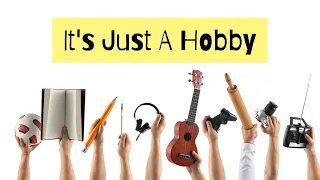
Have you ever said, “It’s just a hobby. No big deal”?
Maybe you enjoy building things in your garage, creating new products, experimenting with recipes, or developing better equipment for an activity you love.
You might not think of yourself as an inventor or entrepreneur. You’re simply having fun.
But what if that hobby could become something much bigger?
Here’s something I’ve learned: Some of the most successful businesses start with someone simply doing what they love.
At Bold Patents, I work with inventors and entrepreneurs who have ideas they want to bring to life. And one thing I want you to understand is that you shouldn’t automatically dismiss an invention just because it started as a hobby.
In fact, protecting something you’re passionate about could be one of the most important steps toward turning it into a business.
Let’s look at why.
1. Hobbies Can Become the Foundation of Successful Businesses
Think about it. If you genuinely enjoy doing something, you’re more likely to spend time improving it.
You’re experimenting. You’re testing new approaches. You’re figuring out what works and what doesn’t.
And you’re doing all of this because you enjoy the process.
That’s a powerful starting point.
Imagine finding a way to make a living doing something you’d happily do even if nobody paid you. You’ve found something valuable, not just financially, but emotionally, too.
That’s what makes hobbies so interesting from an entrepreneurial perspective.
You don’t always start with a business plan, investors, or a big manufacturing operation. Sometimes, you start with a simple idea that solves a problem in an area you already understand.
Maybe it’s a better piece of equipment for your favorite sport. Maybe it’s a new tool you’ve been making for yourself. Or maybe you’ve developed a product that makes your hobby easier, safer, or more enjoyable.
The important thing is that you’re creating something.
And that creation could have commercial potential.
2. Why Patent Protection Matters When Your Hobby Becomes a Business
Here’s where I want you to shift your perspective.
Instead of saying, “It’s just a hobby. I don’t need a patent,” start asking yourself:
“What if this idea becomes something bigger?”
If you’ve developed a new product, process, or mechanical improvement, it may be worth exploring patent protection.
A patent is a form of intellectual property that can give you the right to prevent others from making, using, selling, or importing the patented invention in the United States without your permission, subject to the patent’s claims and applicable law.
In other words, it can help you protect the playground you’ve worked so hard to build.
Think about what could happen if you develop something amazing for your hobby, share it with the world, and someone else copies it.
Suddenly, another company could be selling your innovation. They might have more money, resources, and manufacturing capabilities than you do.
That’s why protecting your invention matters.
A patent isn’t just about making money. It’s also about maintaining control over what you’ve created and having the opportunity to decide how it develops.
With patent protection, you may be able to:
- Protect your innovation: Establish legal rights around the invention covered by your patent claims.
- Prevent unauthorized copying: Stop others from engaging in activities that infringe your patent.
- Build business value: Develop intellectual property that may become a valuable business asset.
- Explore licensing: Allow another company to use your invention in exchange for compensation.
- Create growth opportunities: Build a foundation for expanding your product into a larger business.
If you want to understand the basics, check out our guide to utility patents.
3. Three Famous Businesses That Started With Passion
Let’s look at a few real-world examples.
These companies show how something small can grow into something much bigger when someone recognizes an opportunity and keeps developing an idea.
Patagonia: Climbing Gear That Started in a Garage
<em>Patagonia’s story is a great example of turning a personal passion into a business.</em>
Yvon Chouinard started making climbing equipment in his garage to support his own climbing activities.
He wasn’t initially trying to build one of the world’s most respected outdoor brands. He was passionate about climbing and wanted better equipment for himself.
He experimented, improved his products, and developed equipment that other climbers could use.
Over time, that passion grew into a much larger business.
The lesson?
Sometimes, the best inventions come from people who understand a problem firsthand because they’re experiencing it themselves.
If you’re a climber, cyclist, mechanic, woodworker, athlete, or outdoor enthusiast, you may already understand problems that other people haven’t figured out how to solve.
That knowledge can be incredibly valuable.
LEGO: Turning Play Into a Global Brand
<em>LEGO is another excellent example of how a small idea can become a worldwide business.</em>
Ole Kirk Christiansen founded the company in Denmark, originally as a woodworking business.
Over time, the company evolved, eventually developing the interlocking plastic building bricks that made LEGO famous.
The company’s patents helped protect important innovations behind its building system.
What started as a small business built around creating toys became a global brand recognized by generations of families.
Think about that for a moment.
A simple idea involving pieces that connect together became the foundation for an entire industry of creative play.
The takeaway for inventors is simple: Don’t underestimate an idea just because it seems small.
Sometimes, a seemingly simple improvement can create an entirely new opportunity.
Ben & Jerry’s: From Making Ice Cream to Building an Empire
<em>Ben & Jerry’s started with two friends who loved making ice cream.</em>
Ben Cohen and Jerry Greenfield opened their first ice cream shop in a renovated gas station in Burlington, Vermont, in 1978.
They experimented with flavors and built a business around creating something they genuinely enjoyed.
Their passion for ice cream helped establish a recognizable brand that eventually became one of the best-known ice cream companies in the world.
This example also highlights something important about intellectual property.
Not every business needs a patent to succeed.
Some businesses build value through branding, trademarks, recipes, processes, and other forms of intellectual property.
For example, a confidential recipe or manufacturing process may qualify for trade secret protection if the business takes reasonable steps to keep it secret.
If you’re interested in how businesses protect valuable information, take a look at our guide to trade secrets.
4. Your Hobby Might Be More Valuable Than You Think
Here’s the big lesson from these examples.
Every successful business starts somewhere.
You don’t necessarily know whether your hobby will become a business. You might not even be thinking about entrepreneurship right now.
But that doesn’t mean you shouldn’t recognize the potential of what you’re creating.
Ask yourself a few questions:
- Have you developed something that solves a problem?
- Have you improved an existing product or tool?
- Do other people ask you how you made something?
- Have people expressed interest in buying what you’ve created?
- Could your idea make an activity easier, safer, faster, or more enjoyable?
If you’re answering yes to some of these questions, it might be time to take a closer look.
You don’t have to build an empire tomorrow.
You simply need to understand what you’ve created and what your next best step should be.
5. Don’t Wait Until Someone Else Recognizes Your Idea’s Potential
One mistake I see inventors make is waiting too long to think about intellectual property protection.
They spend months or even years developing something, improving it, and showing it to other people without considering whether they should protect it.
That can create problems.
Patent rights can depend on filing dates, and public disclosures may affect your ability to obtain patent protection, particularly outside the United States.
That’s why it’s important to understand your options before publicly launching, selling, or disclosing your invention.
Here are a few steps worth considering:
- Document your invention. Keep track of how it works, what makes it different, and how you’ve improved it.
- Research existing inventions. A preliminary patent search can help you understand what similar inventions already exist.
- Explore patent protection. Determine whether a utility patent, design patent, or another form of intellectual property protection makes sense.
- Understand your costs. Consider the investment involved in protecting and developing your idea.
- Talk with a patent attorney. Get guidance on your specific invention and possible next steps.
You can also explore our resources on patent costs and patent licensing to better understand the business opportunities that intellectual property can create.
Remember, a patent isn’t automatically the right answer for every hobby or business idea. The goal is to understand what you’ve created and choose the right protection strategy.
Final Thoughts: Every Empire Starts Somewhere
I want you to remember one thing: Don’t dismiss your passion just because it started as a hobby.
Patagonia started with climbing equipment. LEGO grew from a small toy business. Ben & Jerry’s started with two friends making ice cream.
These stories remind us that big opportunities can come from small beginnings.
If you’ve developed something unique while doing something you love, take a closer look. Your idea might have more potential than you realize.
And if you want to keep playing in your own playground, consider how intellectual property protection could help you maintain control over what you’ve created.
So, what’s that one hobby or passion you’ve been working on that could become your next big business?
It is my hope that this article gives you the knowledge and clarity you need to Go Big and Go Bold℠!
If you have questions about protecting your invention, book a free discovery call with Bold Patents. We’d love to help you explore your next best step.
Legal Note
Legal Note: This blog article does not constitute legal advice. Although the article was written by a licensed USPTO patent attorney there are many factors and complexities that come into patenting an idea. We recommend you consult a lawyer if you want legal advice for your particular situation. No attorney-client or confidential relationship exists by simply reading and applying the steps stated in this blog article.