
Last Modified on October 29, 2026

Patenting your dental invention can be a valuable investment for protecting and commercializing your ideas. However, navigating the process without an attorney can be complex and time-consuming. A patent gives the inventor exclusive rights to prevent others from making, using, selling, and importing an invention for a specified period of time, usually 20 years from the date of filing. In the dental industry, patents can help dentists, researchers, and entrepreneurs to differentiate their products, build credibility, and attract investors.
Eligibility for Patent in the Dental Industry
Before you start the patent process, it is important to determine whether your invention is eligible for protection. To be patentable, an invention must be new, non-obvious, and useful. This means that your invention must not have been disclosed to the public or published anywhere before you filed your patent application, and it must not be an obvious variation of existing technology. In addition, your invention must have some practical application or utility, and it must not be a law of nature, a natural phenomenon, or an abstract idea.
Once you have determined that your invention is eligible for protection, you need to conduct a patent search to make sure that no one else has already patented a similar invention. You can use online patent databases, such as the U.S. Patent and Trademark Office (USPTO) database, to search for prior art, or you can hire a patent attorney to do the search for you. This step is important because it helps you avoid wasting time and money on a patent application that is likely to be rejected.
Choosing a Patent Attorney to Work With
Choosing the best patent attorney for your field is a crucial step of the patenting process.
An excellent attorney will help you:
- Navigate the complex legal requirements and procedures
- Increase the chances of getting your patent approved
- Provide valuable advice and guidance on protecting and commercializing your invention
Just like with any endeavor, when selecting a patent attorney, it’s important to consider their experience, areas of expertise, and success rate for the dental industry. Also, areas like communication, availability, and fees can vary greatly between patent attorneys. It can be valuable to check references, read reviews, and ask for a consultation to get a better understanding of their services and approach. Who you decide to work with can make a difference on your dental patent process, so take the time to find who is the right fit for you and your invention.
New (Patented) Innovations in the Dental Industry
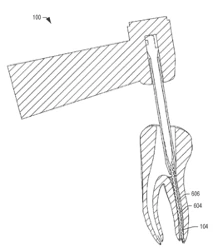 | 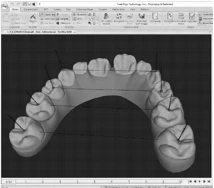 | 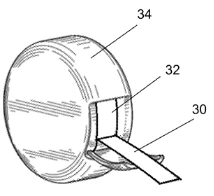 | 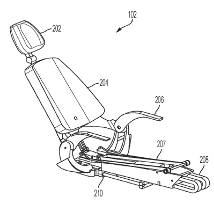 |
| Root Canal Sealing Instrument | Dental Arch Width Measurement Tool | Orthodontic Chew, Comfort Tape, and Therapeutic Sticker for Use in the Mouth | Dental Chair |
Dental Diagnostic Tools and Software
Diagnostic tools and software are a common source of dental inventions. Common categories include:
- X-rays and imaging software, which capture images of teeth, bones and surrounding tissue and help dentists spot cavities and monitor tooth development.
- Intraoral cameras, small cameras that capture detailed images of teeth and gums.
- Dental lasers, used to detect cavities and to treat gum disease by removing or reshaping tissue.
- Diagnostic tests, such as saliva tests, bite analysis and sensitivity tests.
If you have improved one of these tools, or built software that analyzes the results, it may be patentable with a utility patent if it is new, non-obvious and useful. A new look for a device can be protected separately with a design patent.
Why Bold Patents?
Our clients are inventors, entrepreneurs, and scientists who are pushing the limits, doing what hasn’t been done before, and taking risks in the spirit of progress and positive change. We’ve had success with inventors in the dental industry, and our team is knowledgeable, responsive, and committed to helping you achieve your visionary dreams.
If you’re ready to take the first step, book a free screening call with us online. Go big, go bold!